
Home Economics
Below are lessons from traditional Africa with insights on promoting/strengthening local production. Also provided are modern careers from which you can select to participate in promoting local production in your country.

Our Approach
From Tradition to Innovation
The Tool
We study production in traditional Africa so as to bring out proven, local wisdom.
The Process
We apply inquiry-based principles to guide on how the proven local wisdom can contribute to expanding production in an African economy.
The Results
A generation empowered to expand the local economy.
1. Making iron utensils and tools
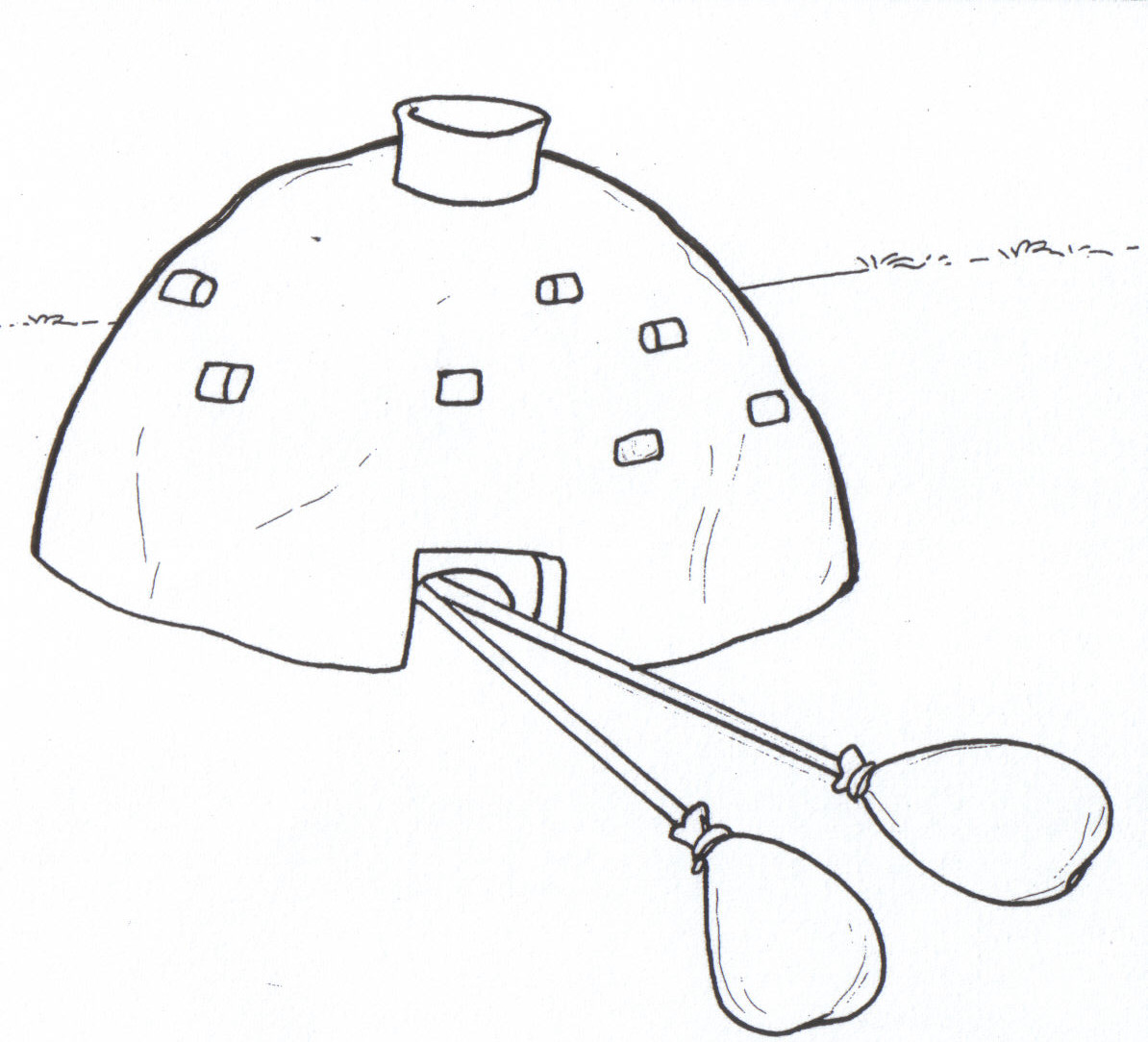
Iron smelting was carried out in earthen furnaces (made out of earth), which were of different types; an example is shown above, with air-filled structures to press and release for blowing fresh air continuously into the furnace.
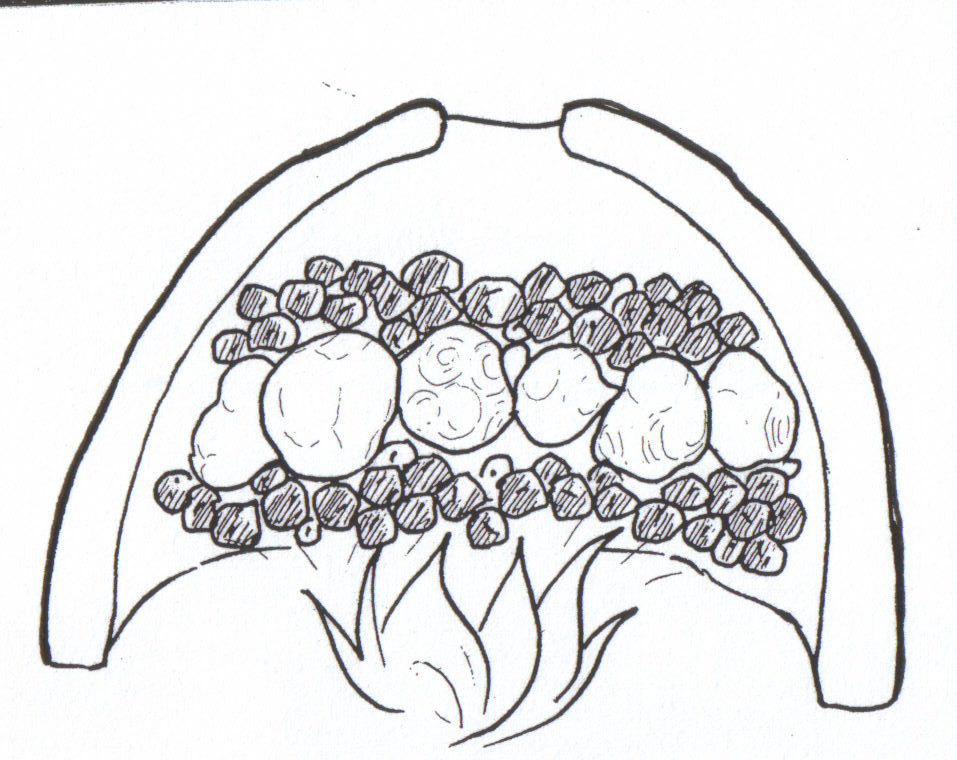
To melt iron ore, a fire was made at the bottom of the furnace, with alternate layers of ore and charcoal on top.
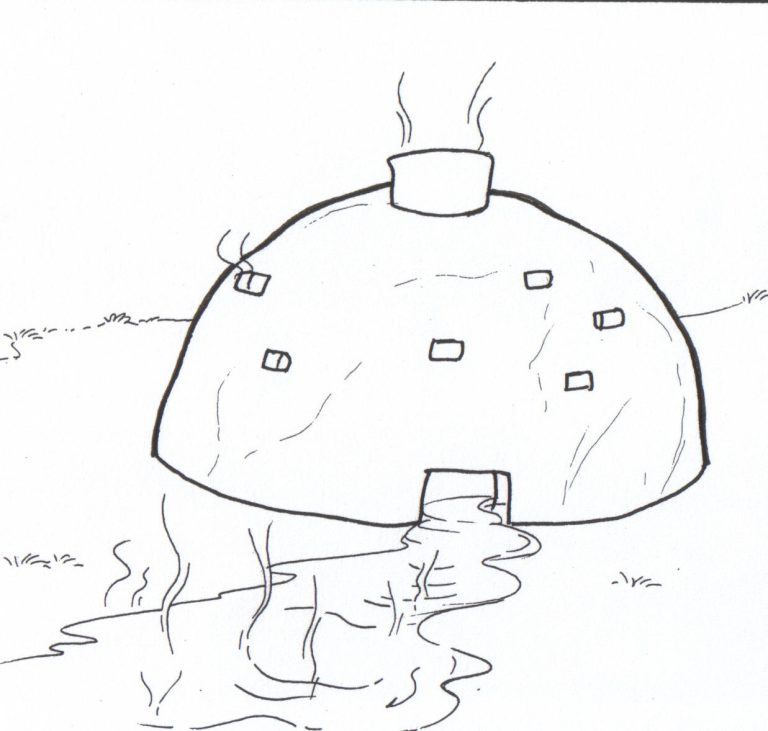
Melted ore ran out into the molds, cooling down into products such as cooking or farming implements, ornaments, weapons, etc.
(b) The Science Behind
-Heating iron ore above a certain temperature (melting point) changes it from a solid state into a liquid state.
-When in a liquid state, iron ore can be molded into all kinds of crude iron-products.
(c) Challenge for present Africa
Many African countries are yet to add value to the abundant resources nature has endowed them with.
(d) What you need to think about
(i) Have you ever seen a product on the market made by local artisans?
(ii) How do these products look in terms of quality?
(iii) What do you think can be done in order to improve the quality of products from local artisans in your country?
(iv) Who may be responsible for solution(s) you mention in (iii) above?
(v) Can you become an advocate of the solution(s) you mention in (iii) above?
2. Soap making
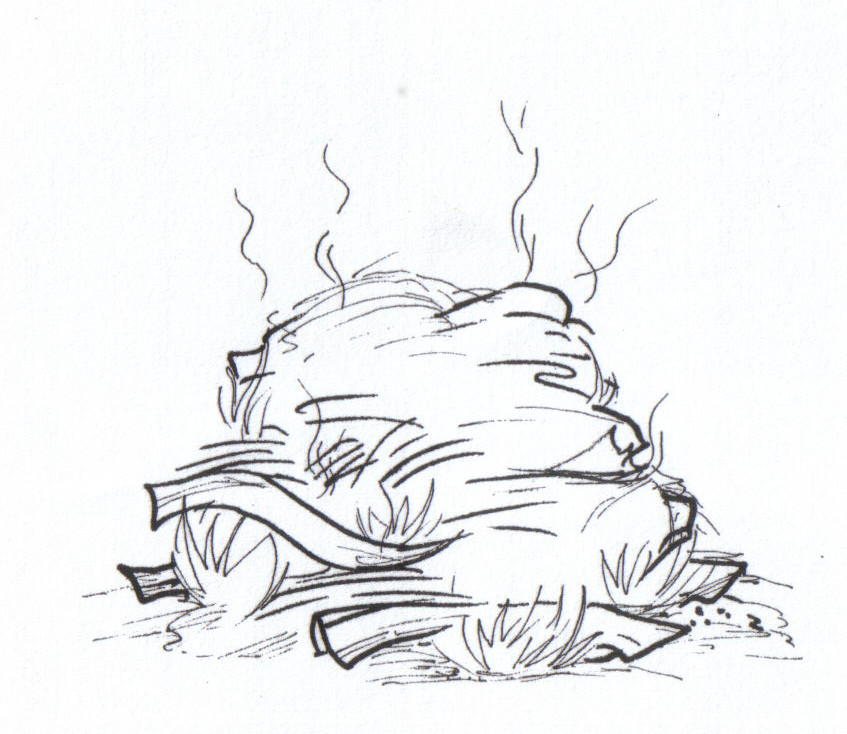
Smelly, rotting banana stems were dried in the sun and burnt to ashes.
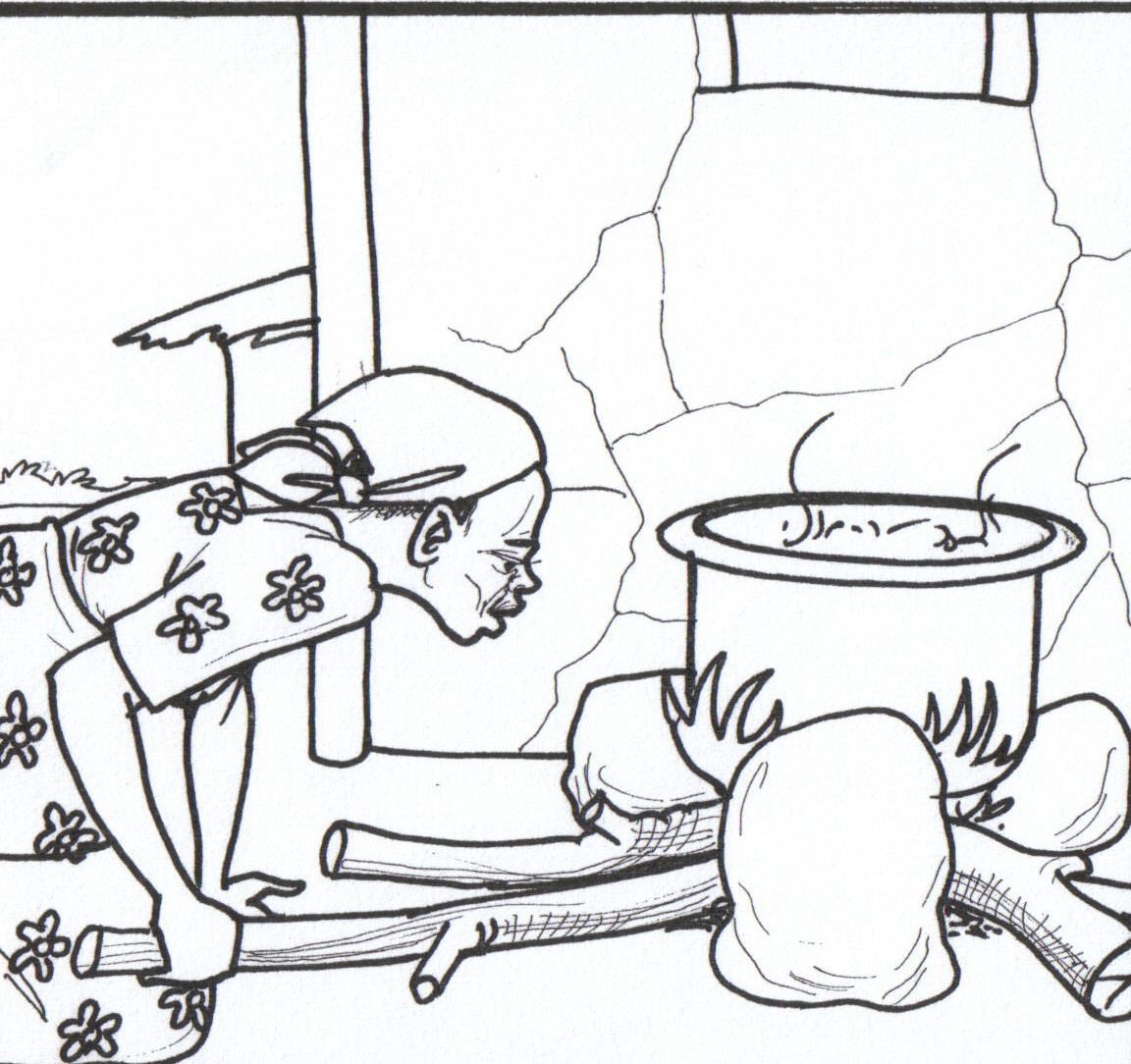
Animal fats were collected, say from sheep-tails, and melted in a cooking pot. The ash was poured into the melted fat and mixed well. The mixture was boiled until all the water evaporated, leaving behind a semi-solid substance.
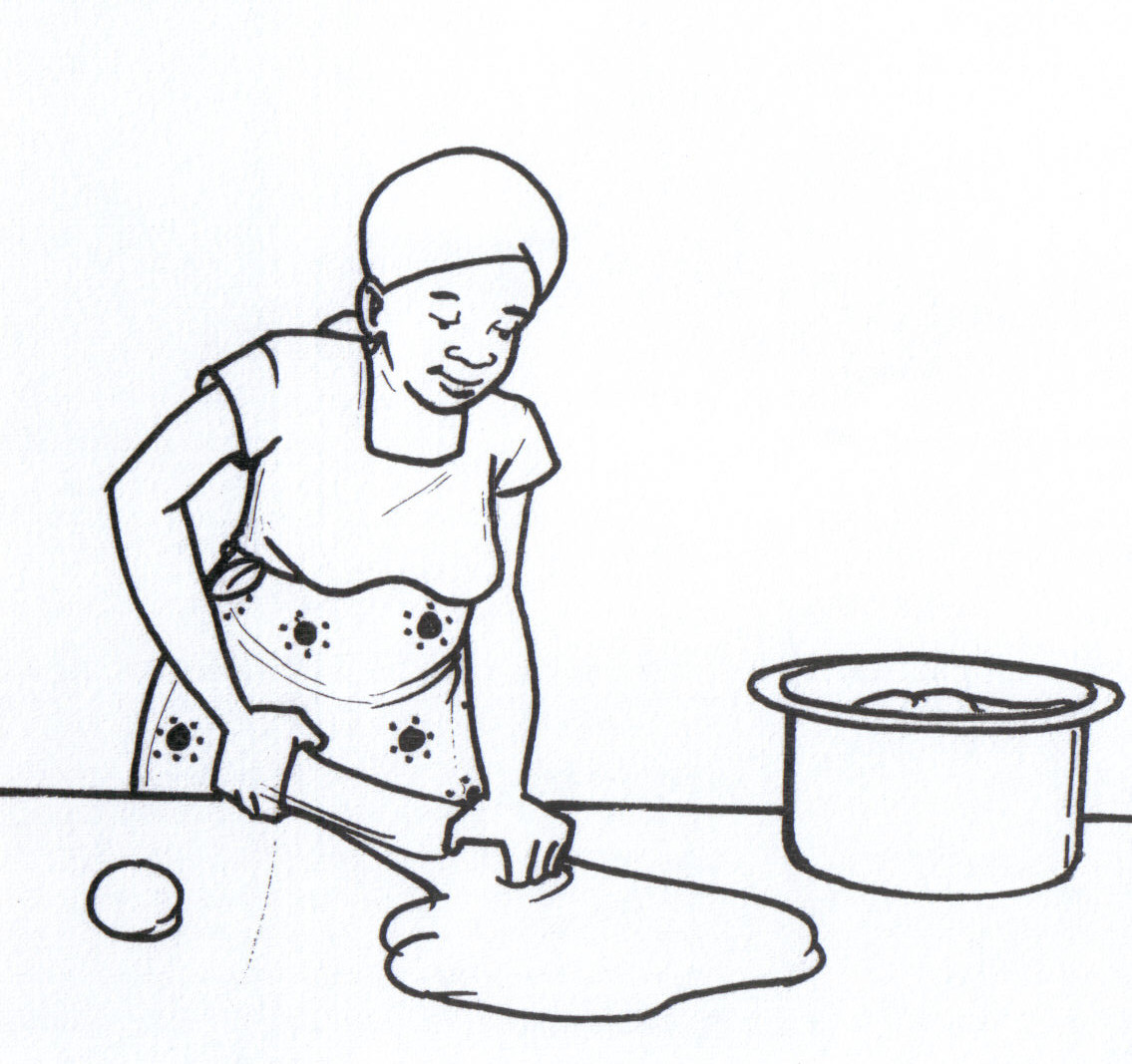
The semi-solid substance was shaped into balls and used as soap.
(b) The Science Behind
-Burning of rotting banana stems was a way of obtaining sodium hydroxide (NaoH).
-Sodium hydroxide precipitates soap out of melted fats.
(c) Challenge for present Africa
It is possible to obtain several requirements (inputs) for school science practicals from locally available materials.
(d) What you to think about
(i) Have you ever participated in a physics or chemistry practical at school?
(ii) If yes, of all the things you used in that practical, which ones were made from your country?
(iii) Did you know that in order to import those requirements for practicals, your country spends money it would use to buy medicines for hospitals, build more schools, buy text books, etc.?
(iv) Can people in your country produce some of the things used for school practicals?
(v) If yes, how can it be achieved?
(vi) Your answer in (v) above, if its right, implies an opportunity to make money.
3. Herbal baths
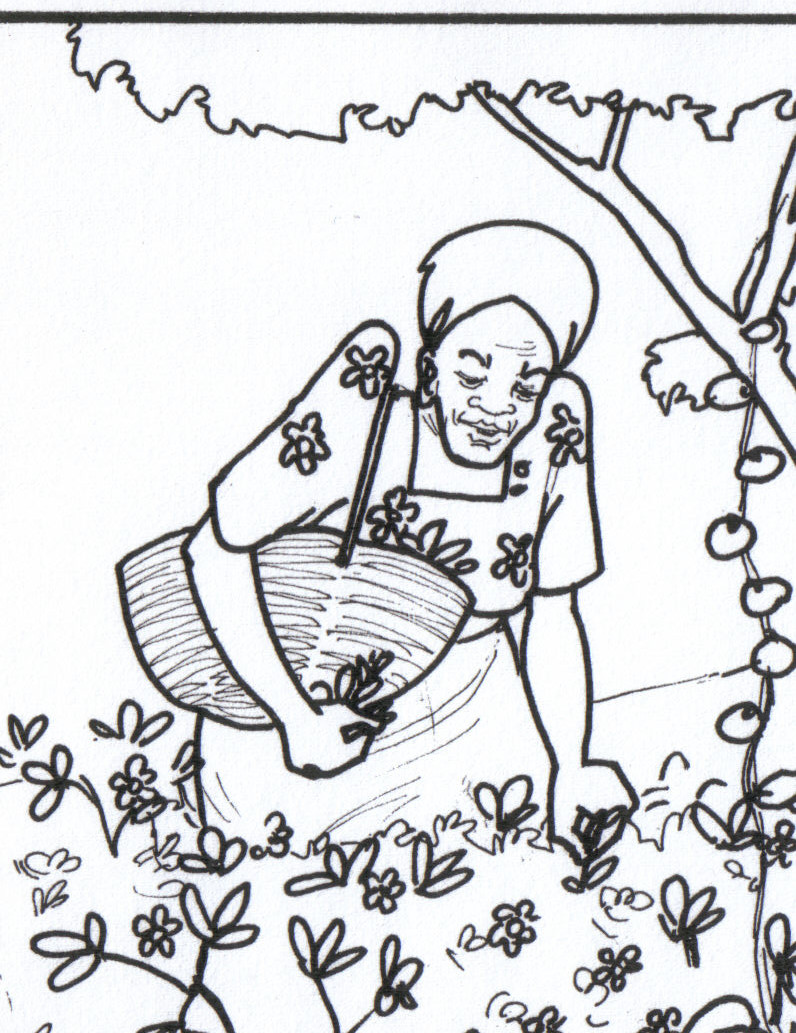
An elderly person, e.g. a child’s grandmother, picked certain herbs from a garden or bush.
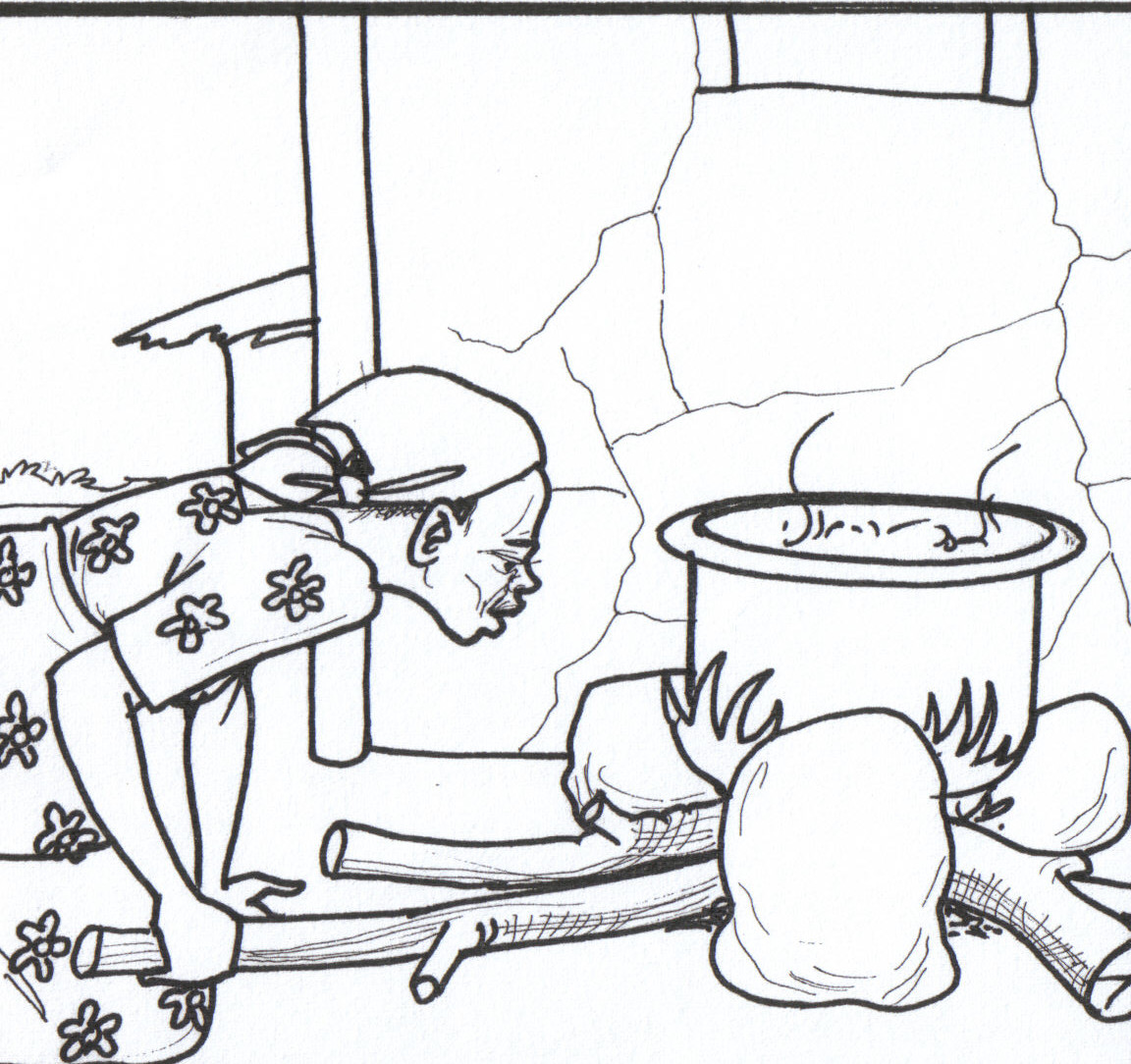
She boiled them in water.
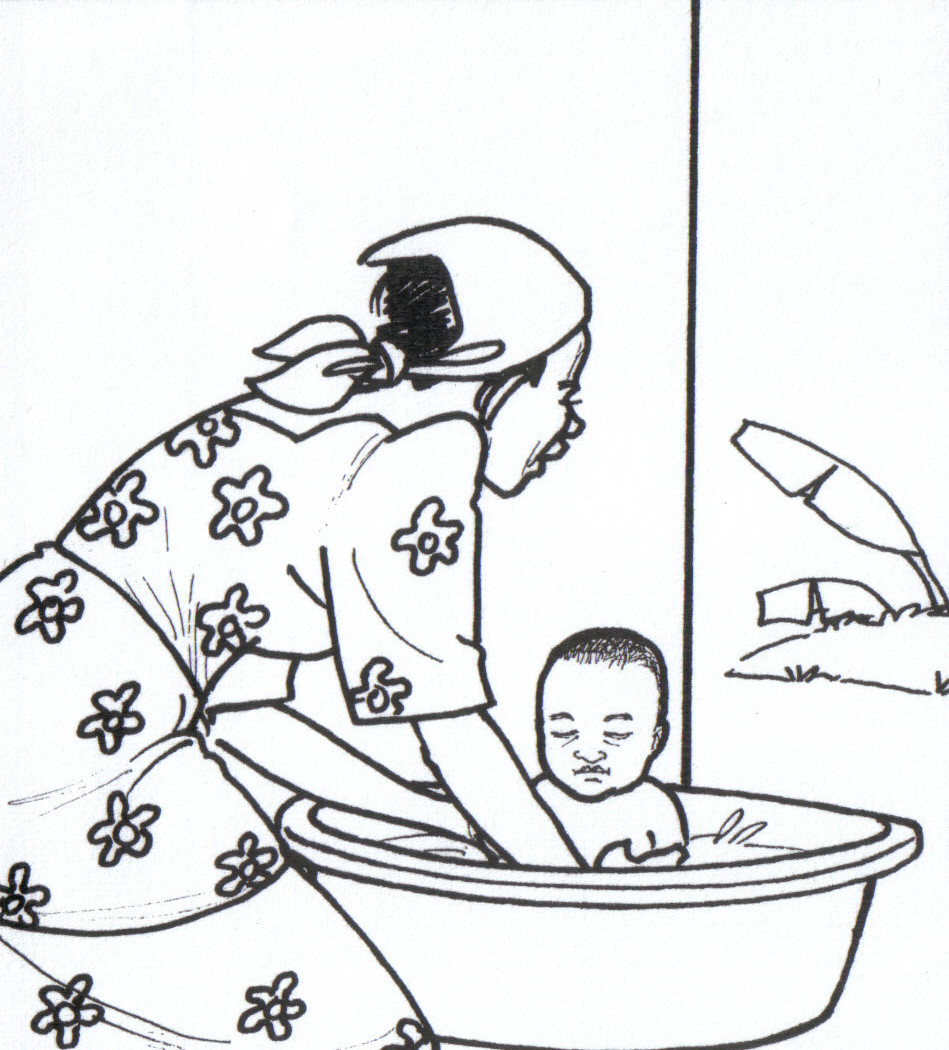
Water from boiled herbs was allowed to cool and then used to bathe the new baby. The baby was bathed in the herbs for the next 2-3 weeks. However, each collection was replaced after re-using 2-3 times.
(b) The Science Behind
-Boiling herbs releases a variety of natural compounds and other substances into water.
-Some of these substances are medicinal, protecting the baby against skin infections or strengthening the baby’s body defense system indirectly.
(c) Challenge for present Africa
If these herbs had been harmful to the newly born ones, they would have been abandoned long ago. Similarly, if they offered no benefit at all to the baby, they would have been abandoned long ago. That said, there is need to do research and establish the actual health benefit of these herbal-baths.
(d) What you need to think about
(i) Did you know that many babies develop rashes and other skin infections?
(ii) Did you also know that many mothers in some African cultures claim that babies bathed in local herbs maintain good skin and suffer less from skin infections? How can we find out whether what these mothers are saying is true or not?
(iii) Have you ever suffered a skin infection?
(iv) If yes, was it easy to treat?
(v) What should people do to avoid or minimize getting skin infections?
4. Fabric making
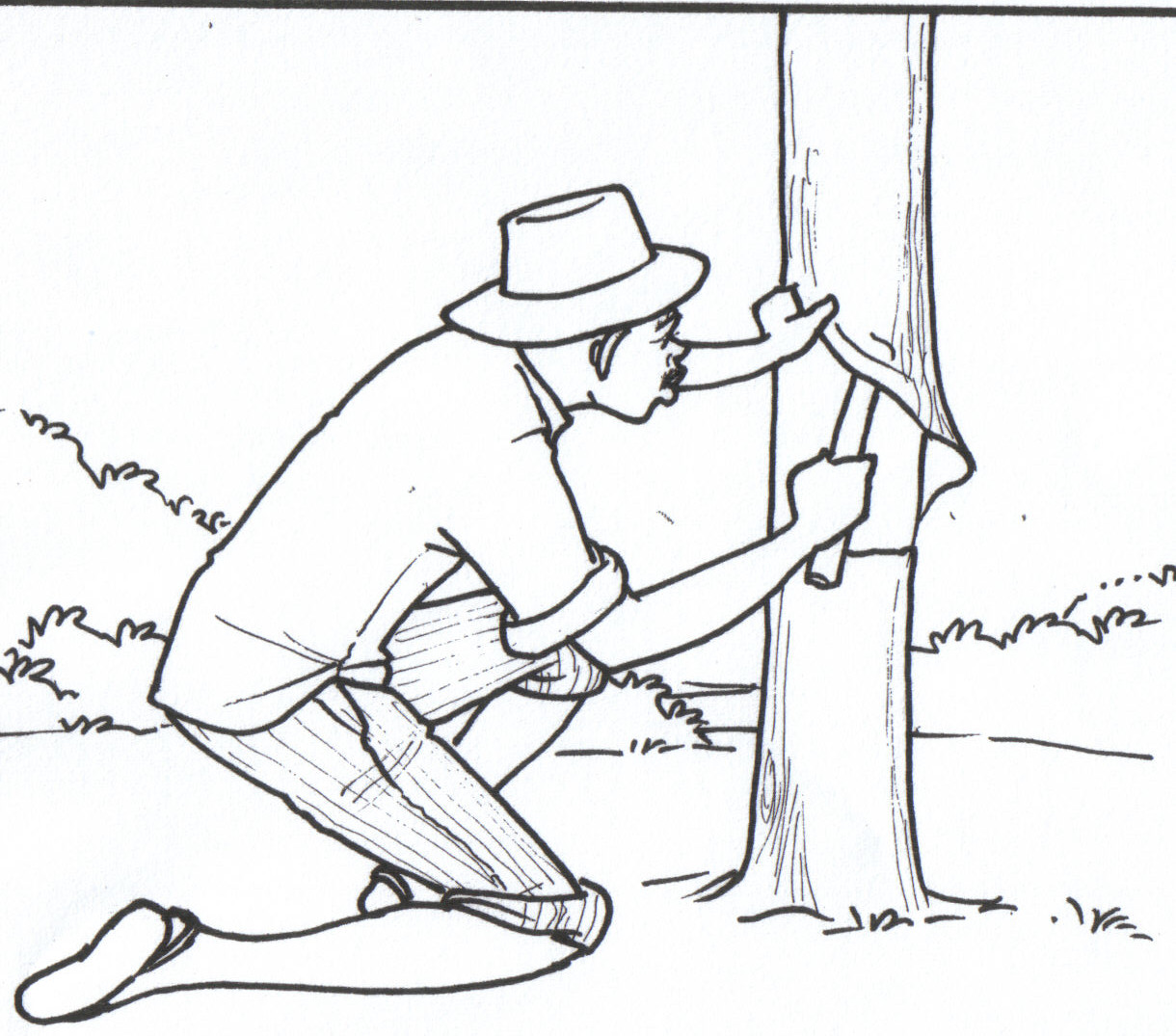
Bark was removed in such away that it peels off the trunk as one sheet.
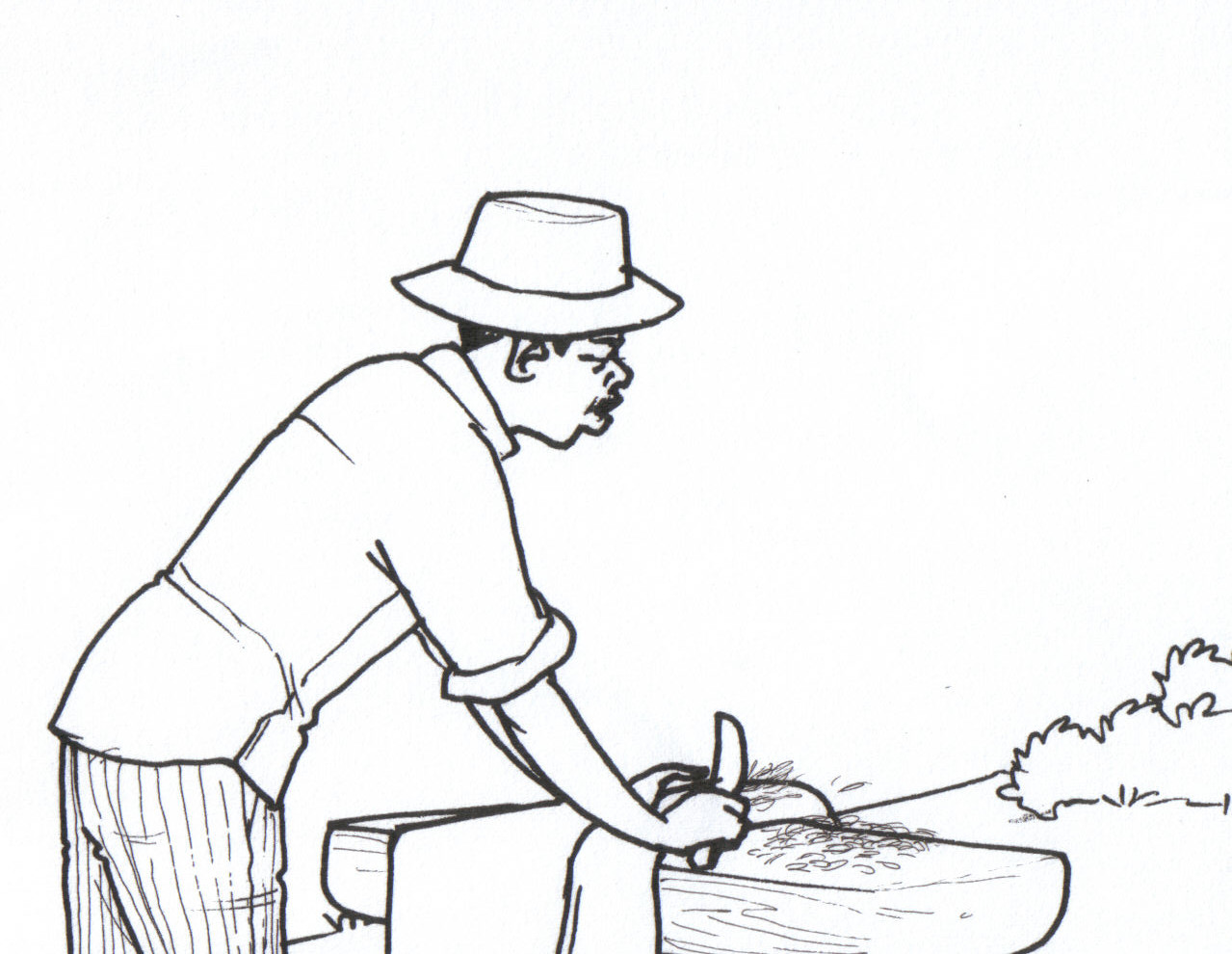
The outer surface was scraped as well as the inner surface to remove the sap, then tied in the banana leaves and left for one night. It was boiled or steamed to allow it soften.
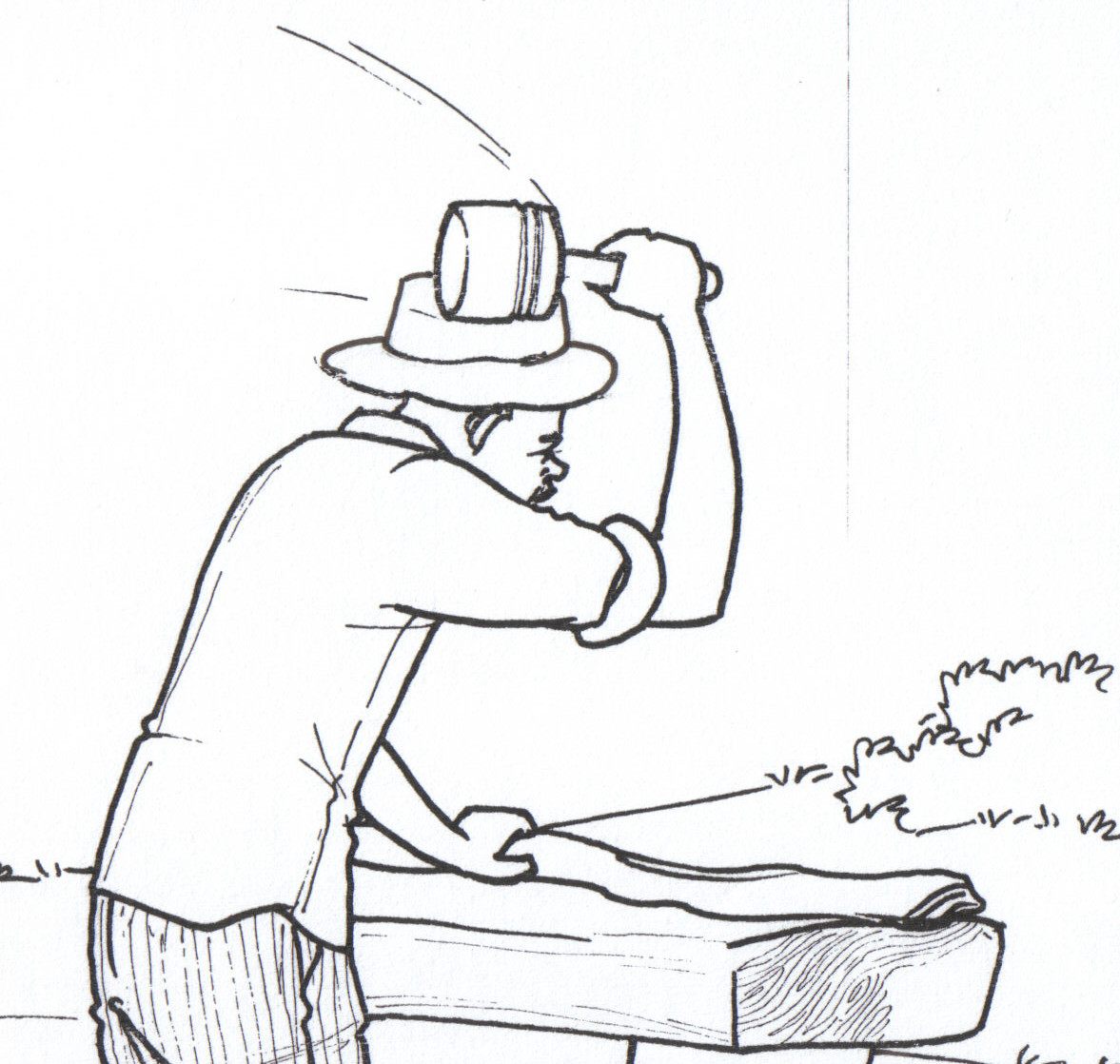
The softened bark was subjected to repeated beats on a log until its fibers stretched, widened and become soft. It dried under sunlight giving rise to bark cloth.
(b) The Science Behind
-Fig trees produce an impressive fibrous texture in their bark. At the same time, the bark of a fig tree separates easily from the trunk. Thus, bark cloth making was essentially an art of freeing the fibrous texture from the rest of the bark. The beatings and sun treatments were however important discoveries in bark cloth making.
(c) Implication for Present Africa
Bark cloth is still relevant; it can be used in making ecologically-friendly hats, bags and other craft. All these can help in promoting and sustaining the local tourism industry.
(d) What you need to think about
(i) What is tourism?
(ii) Did you know that students like you can become tourists in your country?
(iii) If yes, can you interest your school or school club into visiting historical places, museums, national parks, etc. in your country?
(iv) Did you know that many African countries can earn more money from tourism than from oil?
(v) If yes, what makes these countries earn little money from tourism?
(vi) How can your generation help in overcoming the obstacles undermining the tourism industry in your country?
The Science-Minded Generation
This interesting story builds both the faith in your Creator and the inner conviction to move your society out of misery, poverty, witchcraft, etc. through science.
Some of the careers through which you can participate in promoting/strengthening local production in your country include:
| Careers | Description |
| Boilermaker | -Manufactures, constructs, and repairs structures of steel, plate and piping, ranging from pressure vessels for power stations and petrochemical plants, to mine head gears, bridges and oil-drilling platforms. |
| Clothing designer | -Creates and helps produce men’s, women’s, and children’s apparel, including casual wear, suits, sportswear, etc. |
| Distribution manager | -Plans and coordinates transportation, storage, and other distribution activities in accordance with governmental policies and regulations. |
| Footwear designer | – Helps create and produce different styles of shoes and boots. |
| General manager | -Responsible for the effective control and co-ordination of all facets of a company/business, and its operations. |
| Industrial designer | -Designs or improves useful consumer articles. |
| Inventory and stores manager | -Ensures that the materials and equipment are available at the right time and place, for the work to be done. |
| Knitter | -Processes cotton, wool or other similar forms of yam of natural or man-made origin into clothing, scarves or other processed or manufactured articles. |
| Machine worker | -Responsible for supervising the operation of a machine, which is used to produce satisfactory finished articles according to specifications. |
| Machinist | -Uses machine tools, such as lathes and milling machines, to produce precision metal parts. |
| Millwright | -Installs, replaces, dismantles, and repairs machinery and heavy equipment used in power generation, in manufacturing plants, at construction sites, in mining operations, etc. |
| Operations research analyst | -Helps to allocate resources, measures performance, designs production facilities and systems, manages the supply chain, sets prices, etc. |
| Production manager | -Responsible for the planning, organization, co-ordination and control of production. |
| Purchasing manager | -Ensures effective supply of raw materials, equipment, merchandise and services to an enterprise. |
| Tool, jig & die maker | -Produces and repairs tools, dies, and special guiding and holding devices that enable machines to manufacture a variety of products for daily use. |
| Quality control inspector | -Sees to it that prescribed standards are maintained in the production of motor vehicles. |
| Advertising manager | -Produces materials such as posters, coupons, or give-aways, to create extra interest in the purchase of a product or service. |
| Marketing manager | -Does research, identifies potential markets, creates marketing aids such as brochures, and plans marketing campaigns. |
| Market researcher | -Helps to determine facts concerning the consumer, the consumer’s awareness of the products or service, and the effectiveness of advertising. |
| Brand manager/product manager | -Controls policies regarding product packaging, branding, pricing, advertising, promotions and distribution. |
| Promotion manager | – Directs promotion programs that combine advertising with purchase incentives to increase sales. |
| Public relations officer | -Builds bridges of understanding between a company and the public whom it wishes to influence. |
| Salesperson/agent | -Presents a firm’s products to possible clients in such a way as to create an interest in the merchandise, and thereby promote sales. |