
Biotechnology
Biotechnology is the art of using very tiny animals called microorganisms, or their parts, to produce products or services that are of value to man or to the environment. This area has become important in terms of jobs and business opportunities and therefore crucial to your country. Below are lessons from traditional Africa to guide you towards promoting the growth of biotechnology in your country. Also provided are modern careers from which you can select to participate in promoting biotechnology in your country.
The Tool
We study biotechnology practices in traditional Africa like brewing local alcohol to bring out proven, local wisdom.
The Process
We apply inquiry-based principles to guide on how that proven local wisdom can contribute to solving modern challenges like cleaning the environment, producing medicine and vaccines, producing food, etc.
The Result
A generation empowered to create innovative, sustainable biotechnology solutions and pursue rewarding careers.
1. Making home utensils
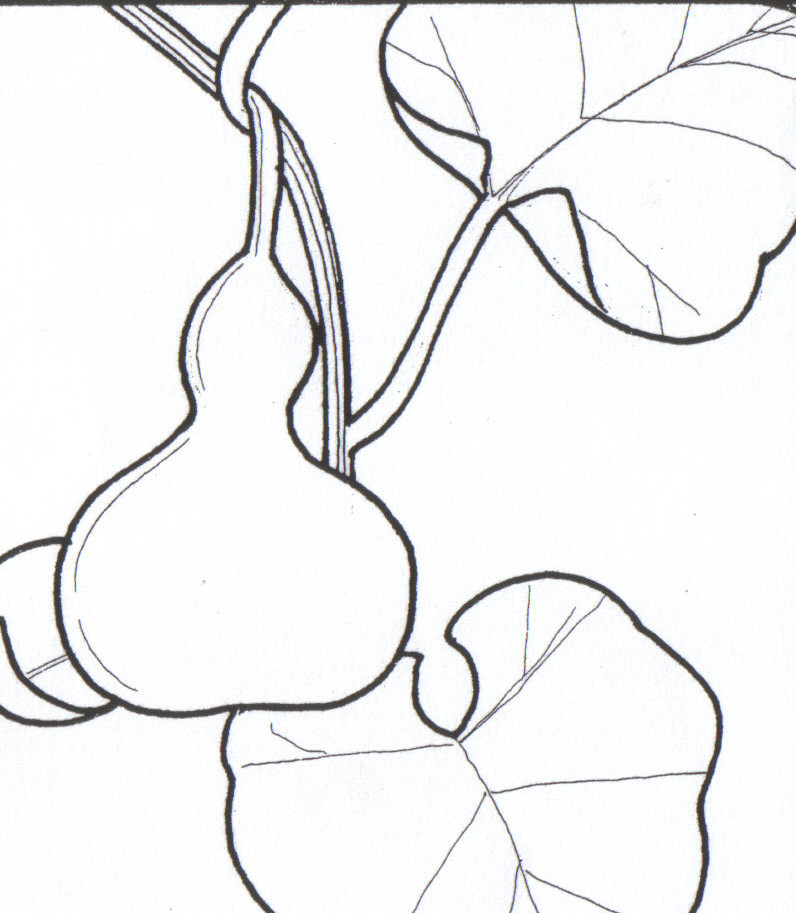
Gourds (pumpkin-like fruits) grew up to maturity.
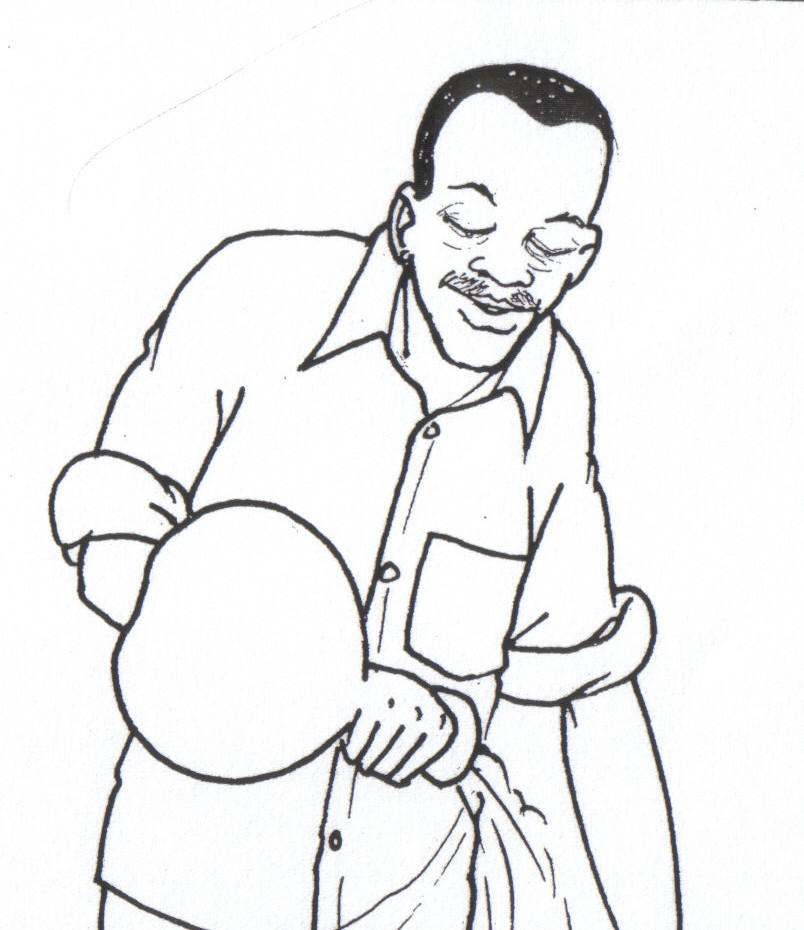
Gourds were harvested, cut to provide a smooth opening and covered under rotting rubbish for about five days. The inner tissue was then shaken out, gourd washed clean and exposed to weak (evening) sunlight for some days.
(b) The science behind
– Rotting is a natural process of breaking down organic matter by feeding microorganisms. It is these feeding microorganisms that break up the inner tissue of gourds or calabashes, making them ready for use as containers in homes.
– The evening sunlight (weak sunlight) catalyzed the oxidation of certain compounds found in the outer layers of gourds, thereby giving the containers an outer appearance that is more appealing.
(c) Challenge for present Africa
-They are numerous microorganisms in the rotting rubbish that you see around. Some of these microorganisms have an important commercial value. They produce substances that are needed in medicine, industry, agriculture, biotechnology, and so on.
-Tropical Africa’s hot and wet climate favors growth of all kinds of life. This means that sub-Saharan countries might have microorganisms that are superior at decomposing organic matter, including possibly oil or plastics. These microorganisms, if found, may become an important source of wealth for yourself and for your country at large.
(d) What you need to think about
i. Have you ever seen rotting rubbish anywhere?
ii. If no, ask your parent or teacher to show you rotting rubbish.
iii. If yes, did you know:
-That rotting rubbish is fulfilling a directive from the Holy books, namely “from soil organic matter arose, and back into soil it goes!”?
-That it is the very tiny animals called microorganisms carrying out that divine directive?
-That some of these microorganisms are so valuable that studying just one of them could make you famous or rich for the rest of your life?
2. Preparing alcoholic drink
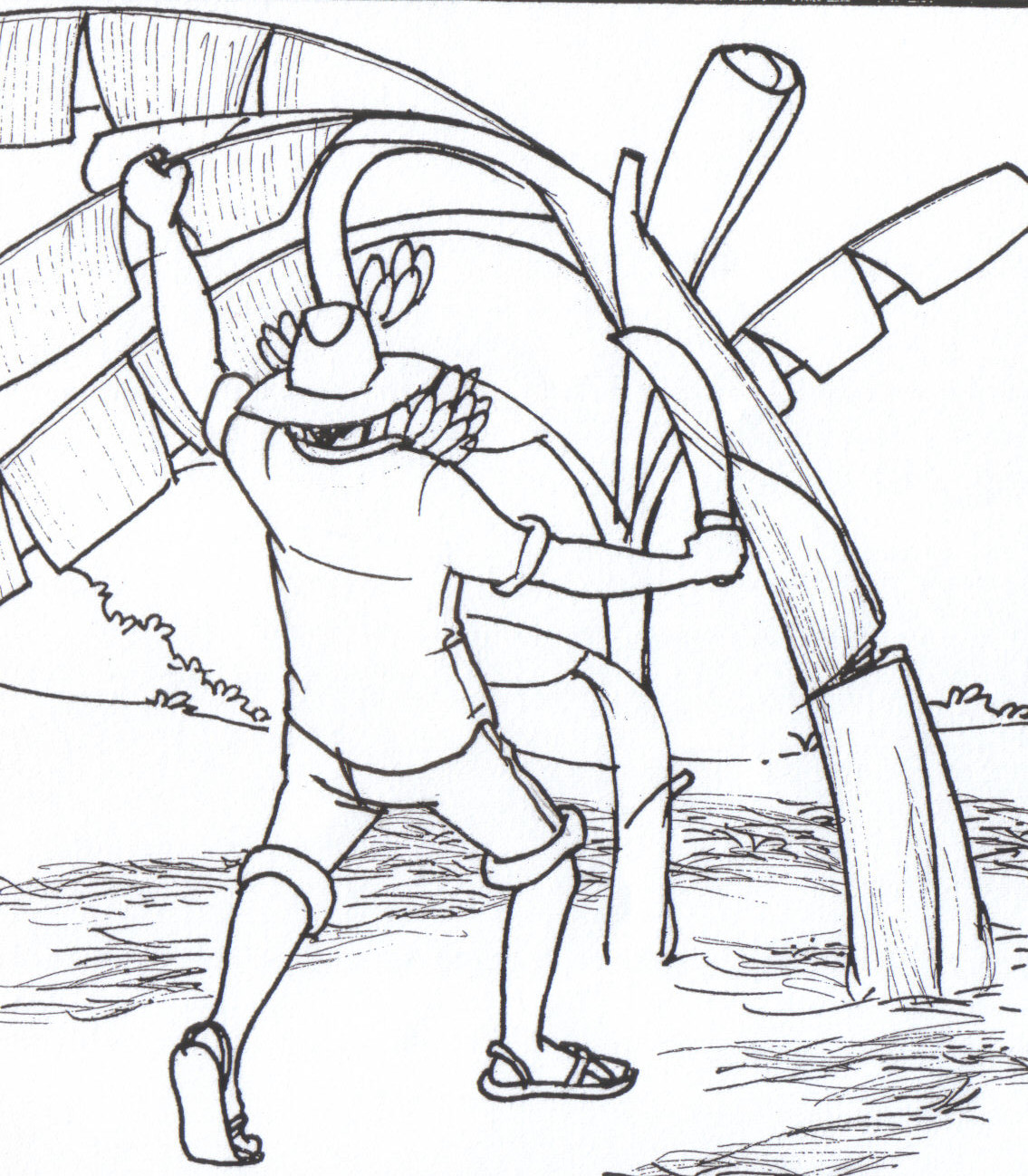
Mature banana were harvested and kept until they ripened.
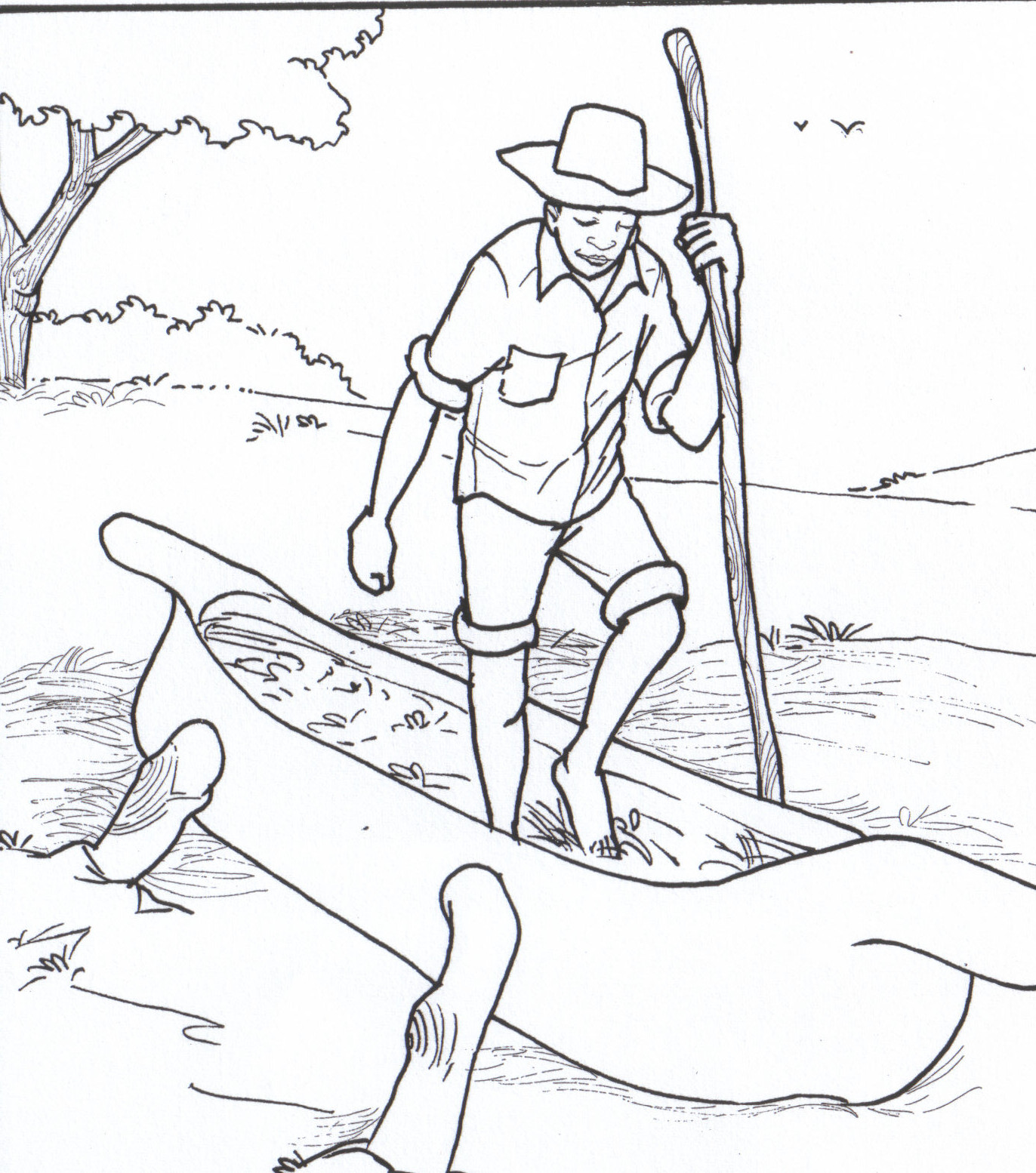
Juice was squeezed out of banana using spear grass in a canoe-like vessel. -Juice was filtered, sorghum flour added and everything overlaid with grass residues that had been used in making juice, then left to stand for 2 days.
(b) The science behind
Grass residues was a source of microorganisms that found their way into juice below, converting sugars in the juice into alcohol.
(c) Challenge for present
Improving the quality of local fermented drinks and their production methods is one of the challenges that many African countries are trying to overcome.
(d) What you need to think about
i. Is the sugar found in banana juice the same as that we take in tea?
ii. If not, can the sugar we take in tea be fermented into alcohol too?
iii. What sources of sugar are used in the production of alcoholic drinks in your country; beer, spirits, wine, etc.?
vi. Can those sources of sugar become a means of income for people in your country?
v. If you think so, how can they become an important source of income for people?
3. Preparing foods and drinks
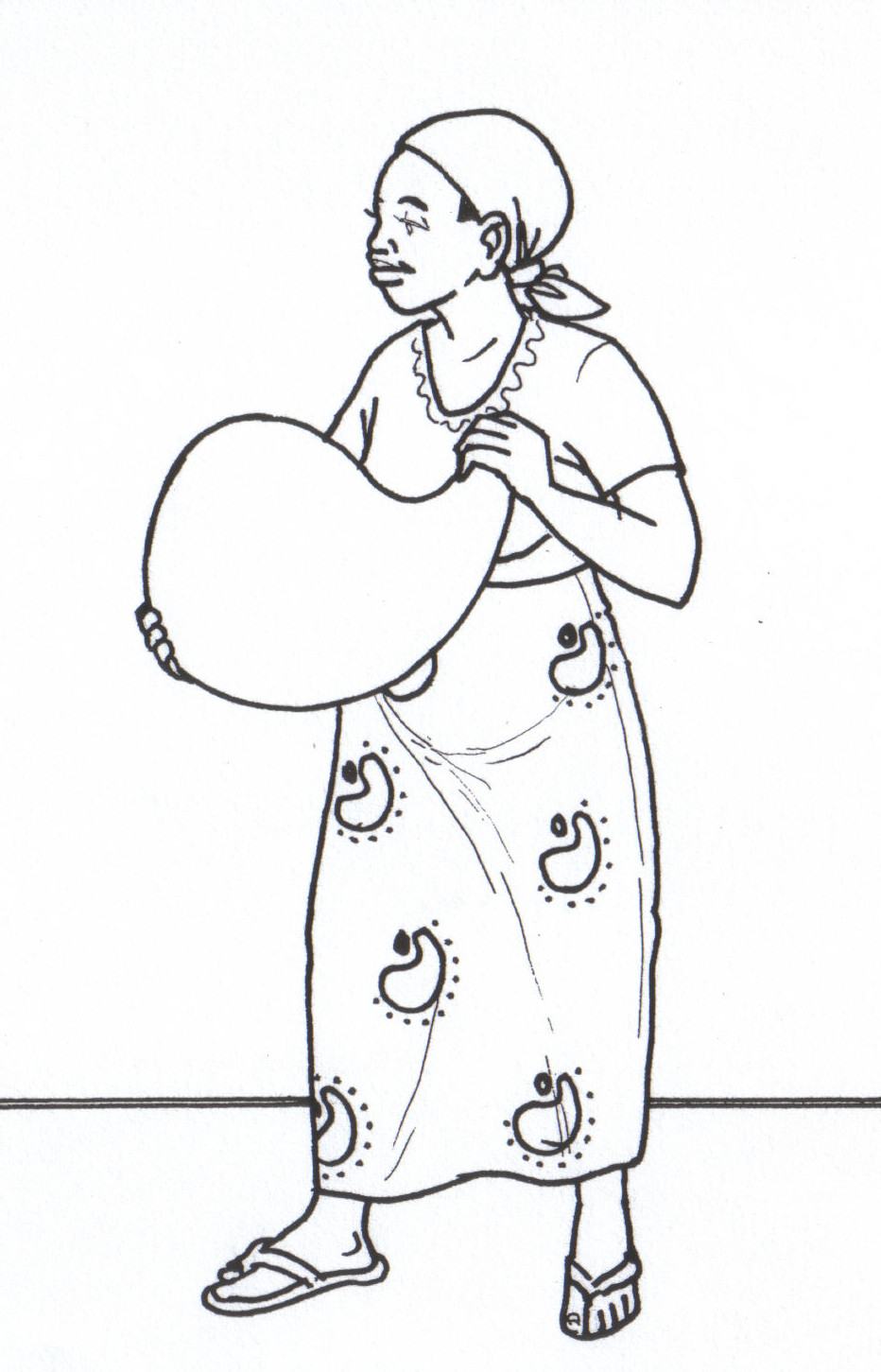
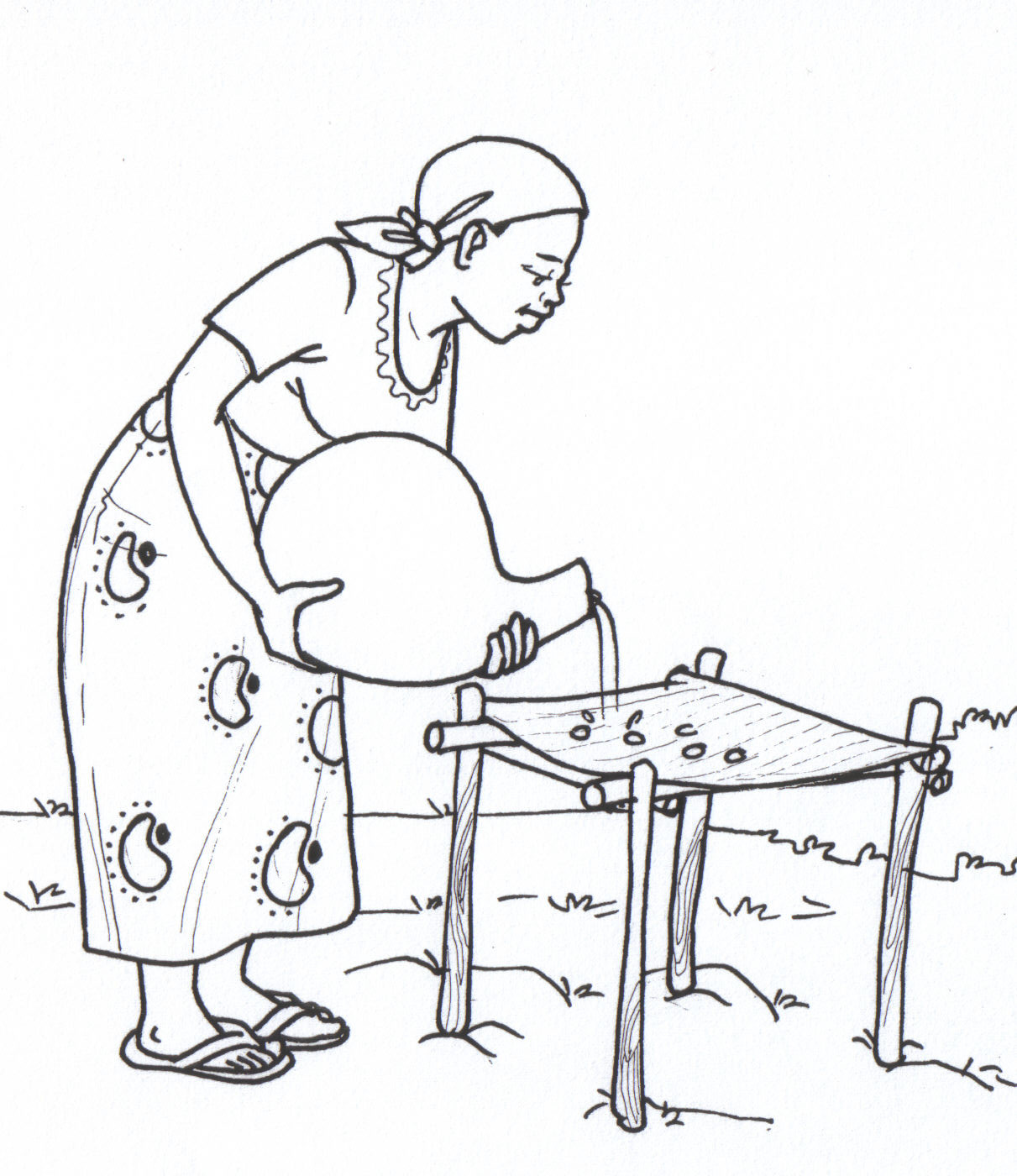
Ideas from tradition Africa
Preparing food
a.-Undiluted milk was poured into a container and left to stand for 3 days.
-Milk was then churned for about one hour in the morning and one hour in the evening, for 5-7 days.
b.-Semi-solid substance in the gourd indicated a successful formation of cow ghee. -Excess water was filtered out using a perforated banana leaf, cow ghee stored in a cool place.
b) The science behind
Milk can be broken down into different products by living microorganisms.
(c) Challenge for present Africa
Improving the quality of local fermented foods and their production methods is one of the challenges many African countries are trying to overcome.
(d) What you need to think about
i. Do you know cow ghee?
ii. Do you have communities in your country that make cow ghee?
iii. If yes, can this cow ghee become an important source of income for people in those communities?
iv. Do you know of any local fermented drink?
v. If yes, have you ever drunk it?
vi. If yes, does it have any challenge(s); if so, which challenge(s)?
vii. How can the challenge(s) you mentioned in (vi) above be addressed?
4. Promoting Biotechnology in your School
You can promote the adoption of biotechnology in your country by interesting students in your school into knowing or demonstrating local examples, such as those described above. This is possible, especially if there are clubs in your school and you are a member to any of the following:
- Science Club
- Environment Club
- Writing Club
- Wildlife Club
- Debating Club
The Science-Minded Generation
This interesting story builds both the faith in your Creator and the inner conviction to move your society out of misery and poverty through the power of science.
Some of the careers from which you can participate in promoting biotechnology in your country include:
| Career | Description |
| Animal scientist | -Works to develop better ways of making meat, poultry, eggs and milk. They also inspect and grade food products. |
| Biochemist | -Studies the chemical building blocks and components of living organisms, as well as their functioning and physical qualities. |
| Biologist | -Studies the origin, relationships, development, anatomy, functions, heredity and other basic characteristics of plant, animal and microbial life. |
| Botanist | -Studies a whole range of plant organisms; algae, fungi, mosses, ferns, gymnosperms and flowering plants. |
| Crop scientist/Agronomist | -Helps farmers grow more and better food, but while preserving our natural resources. |
| Ecologist | -Studies the interactions between living organisms and their environment, and between the organisms themselves. |
| Entomologist | -Studies insects, especially those of vital importance to man, such as vectors and pests. |
| Environmental scientist | -Finds and fixes pollution and other environmental problems. |
| Geneticist | -Studies the way hereditary qualities are transmitted in living organisms. |
| Horticulturist | -Involved in the growing, selling and maintenance of plants for indoor and outdoor usage. |
| Molecular biologist/biotechnologist | -Develops methods to control biological processes for use in industry, agriculture, forestry, horticulture and breeding. |
| Parasitologist | -Studies organisms that use man or other animals as hosts for their survival. |
| Physiologist | -Studies the normal functioning of living organisms. |
| Teacher | -Helps children learn how to read, write, do mathematics, and much more. |
| Veterinarian | -Takes care of sick and injured animals. |