
Food & Nutrition
The rapid population growths present African countries with the challenge of feeding big populations. Yet agriculture in these countries is faced with numerous challenges that threaten their food security. Below are lessons from traditional Africa with insights towards improving food security in your country. Also provided are the different careers from which you can select to participate in improving food security in your country.

The Tool
We study traditional food security practices to find proven, local wisdom
The Process
We apply inquiry-based principles to guide how this proven wisdom can promote food security or address nutritional deficiencies in Africa.
The Result
A future where hunger and micronutrient deficiencies are eliminated through improved production and storage.
1. Food storage
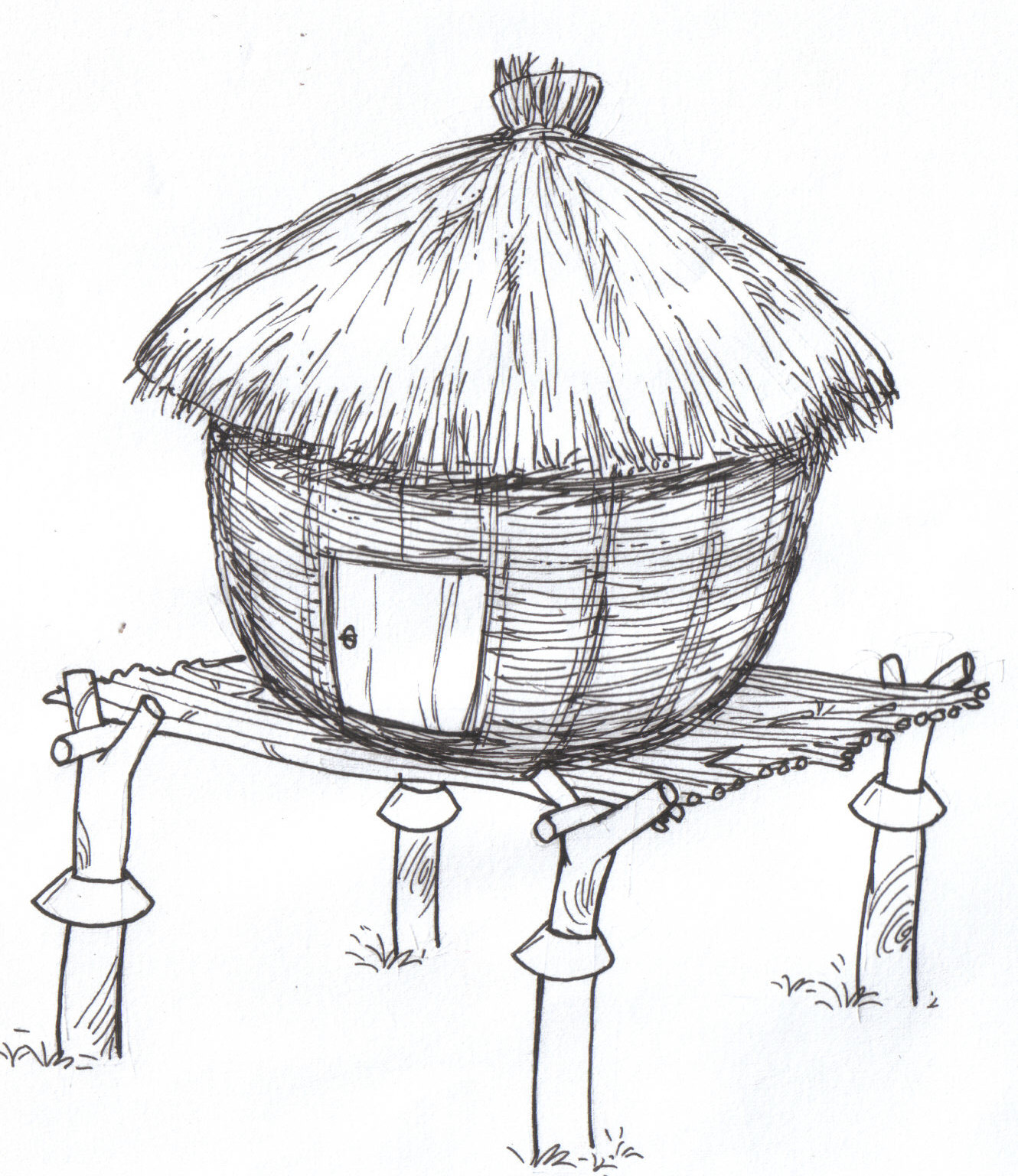
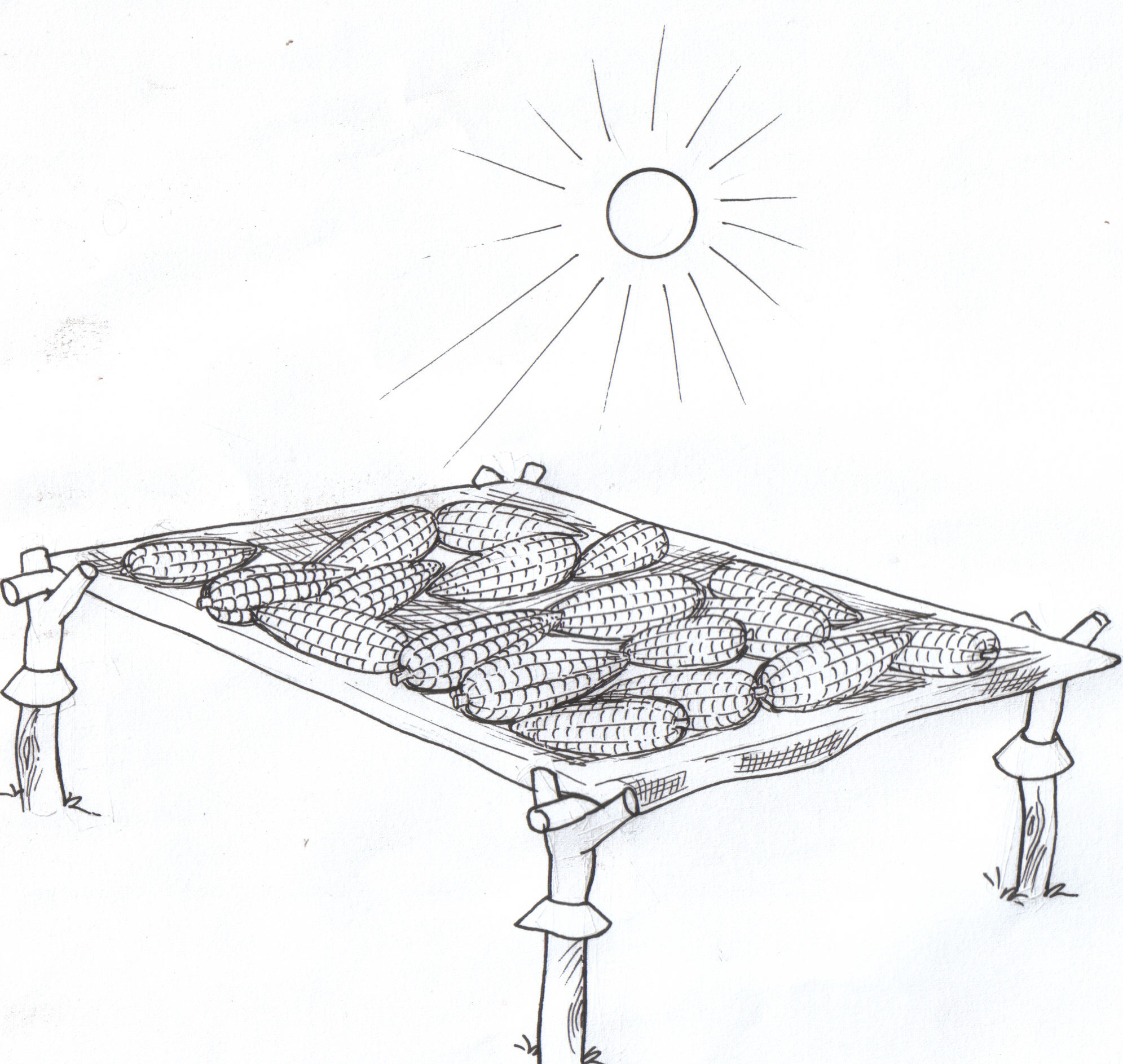
Ideas from tradition Africa
Food storage
a.A store-like structure, such as shown above, was constructed within the home compound.
b.Food, (maize, millet, sorghum, beans, groundnuts, etc.), was harvested at maturity and dried in the sun. -After drying, it was stored in the granary, providing home with a source of food, especially when the gardens did not have food.
(b) The science behind
(i) Food security involves (a) the ability to fill and to re-fill a food reserve (b) the capacity to protect food in the reserve against weather, pests and other bio-destroying agents.
(ii) Drying harvested food off the ground ensured food quality, i,e. free of contaminating sand, dirty, etc.
(c) Challenge for present Africa
African countries can still achieve food security – even in the midst of various challenges – just like most of historical Africa did. Furthermore, these countries should fight the issue of poor quality of food. This can be achieved by enforcing proper ways of drying food, developing technology able to clean grains before processing, withdrawing licences of food outlets dealing in poor quality foods, etc.
(d) What you need to consider
(i) Have you ever heard of hunger in European countries? Yet these countries are faced with winter (very cold season) during which almost no crop is able to grow!
(ii) How about famine in Arab countries? Yet these countries are largely deserts with limited land to farm!
(iii) Why then should a country like yours, with arable land and less hostile climate, suffer hunger, malnutrition, etc ?
(iv) What can your generation do to eliminate hunger, when it eventually takes charge of the country?
(v) Have you ever taken porridge or eaten a snack and you feel small sand particles crushed between your teeth?
(vi) If yes, what is the cause of that problem and how can it be solved?
2. Novel cooking method
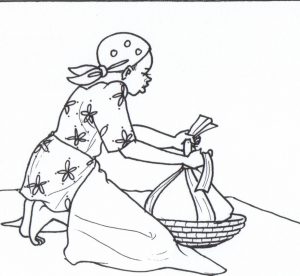
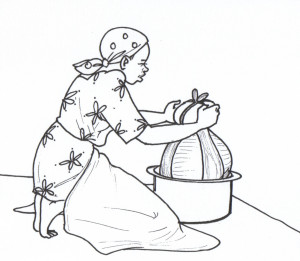
Ideas from tradition Africa
Novel cooking
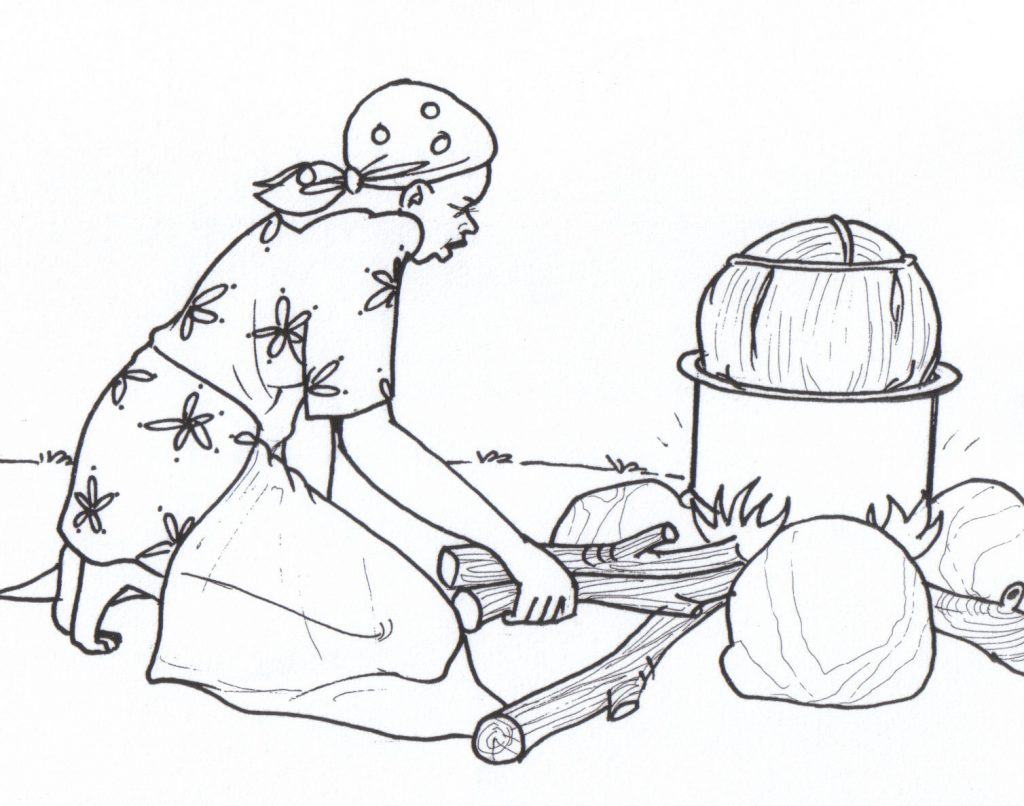
a. Fresh food was pealed and wrapped in banana leaves
b. Water was put in a saucepan, almost half way. Banana leafstalks were laid so that wrapped food is above the water level when put in the saucepan. Finally, green vegetables and other foods were put on top of wrapped food and additional banana leaves enclosed all the food.
c.-The food was then placed on the cooking fire.
(b) The science behind
(i) Steaming minimises loss of food nutrients.
(ii) Cooking the main food together with accompanying foods meant saving on firewood and thus, conserving the environment that provides cooking energy.
(iii) Eating cooked vegetables minimized risks of infections, given that the hot and wet climate in Africa may promote germs’ multiplication on plants.
(c) Challenge for present Africa
In many Africa countries, vegetation is disappearing mainly because of the need for cooking energy in form of firewood or charcoal. This need calls for efficiency in energy use. The efficiency can be achieved through innovative cooking practices, such as one described above.
(d) What you need to consider
(i) What is the main source of energy for cooking in your country?
(ii) Why is the source of energy you mentioned in (i) above widely used in your country?
(iii) Does it have any impact on the environment?
(iv) If it has an impact on the environment, what can be done to minimize the impact?
(v) Which sources of energy can be used for cooking while at the same time having less harm on the environment?
3. Making a novel delicacy
Ideas from tradition Africa
Local delicacy
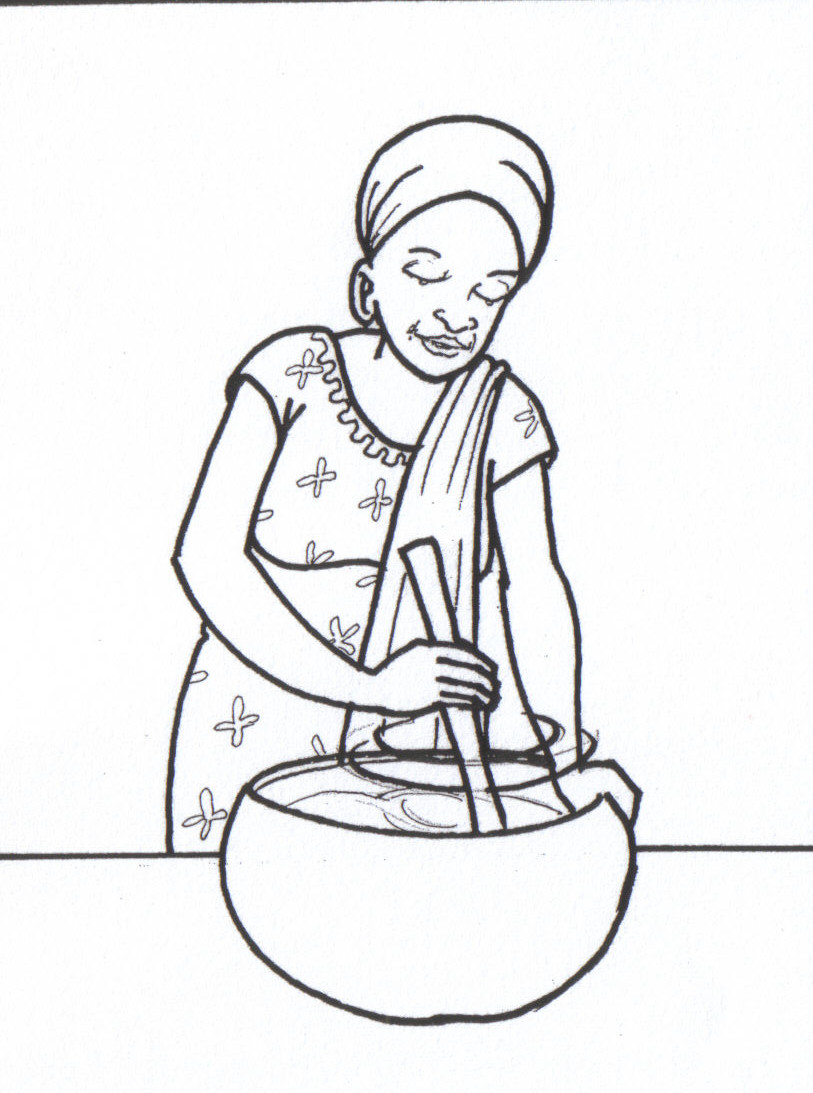
a. Rock salt and common salt were dissolved in pre-boiled, cooled water.
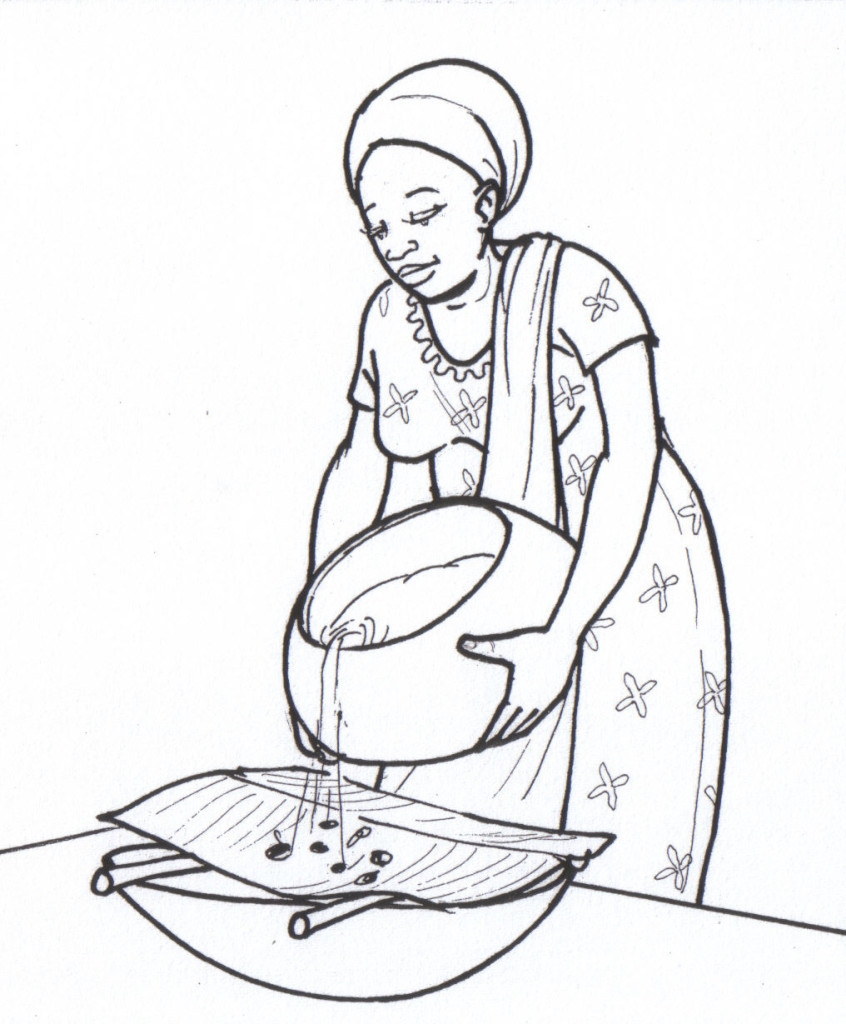
b. Cow ghee was put into a container and stirred in one direction for a while. Salt solution was the added, small amount at a time, and stirring continued until cow ghee thickened and turned white.
b. The final product was sieved and served as food.
(b) The science behind
Changes in pH (acidity/alkalinity) breaks down cow ghee.
(c) Challenge for present Africa
African countries have the challenge of improving on the quality of their local foods, but also improving on their production methods, as countries in Asia have done.
(d) What you need to consider
(i) What does the word pH mean?
(ii) When the pH value is below 7, they say that environment is acidic. What does this mean?
(iii) When it is above 7, they say it is alkaline. Again, what does this mean?
(iv) Why is an alkaline liquid able to break-down cow ghee?
(v) Where else do we find alkaline or acidic liquids used in breaking down things?
(vi) How are acidic or alkaline liquids produced?
(vii) What are other purposes for acidic or alkaline liquids?
4. Preserving iron and other food micronutrients
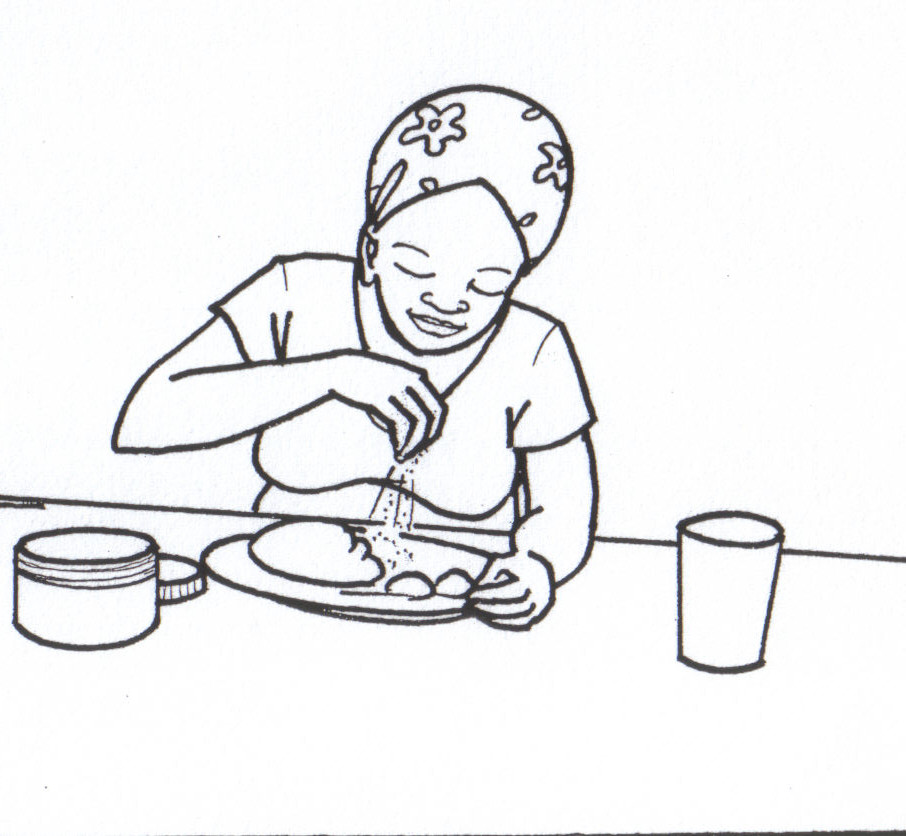
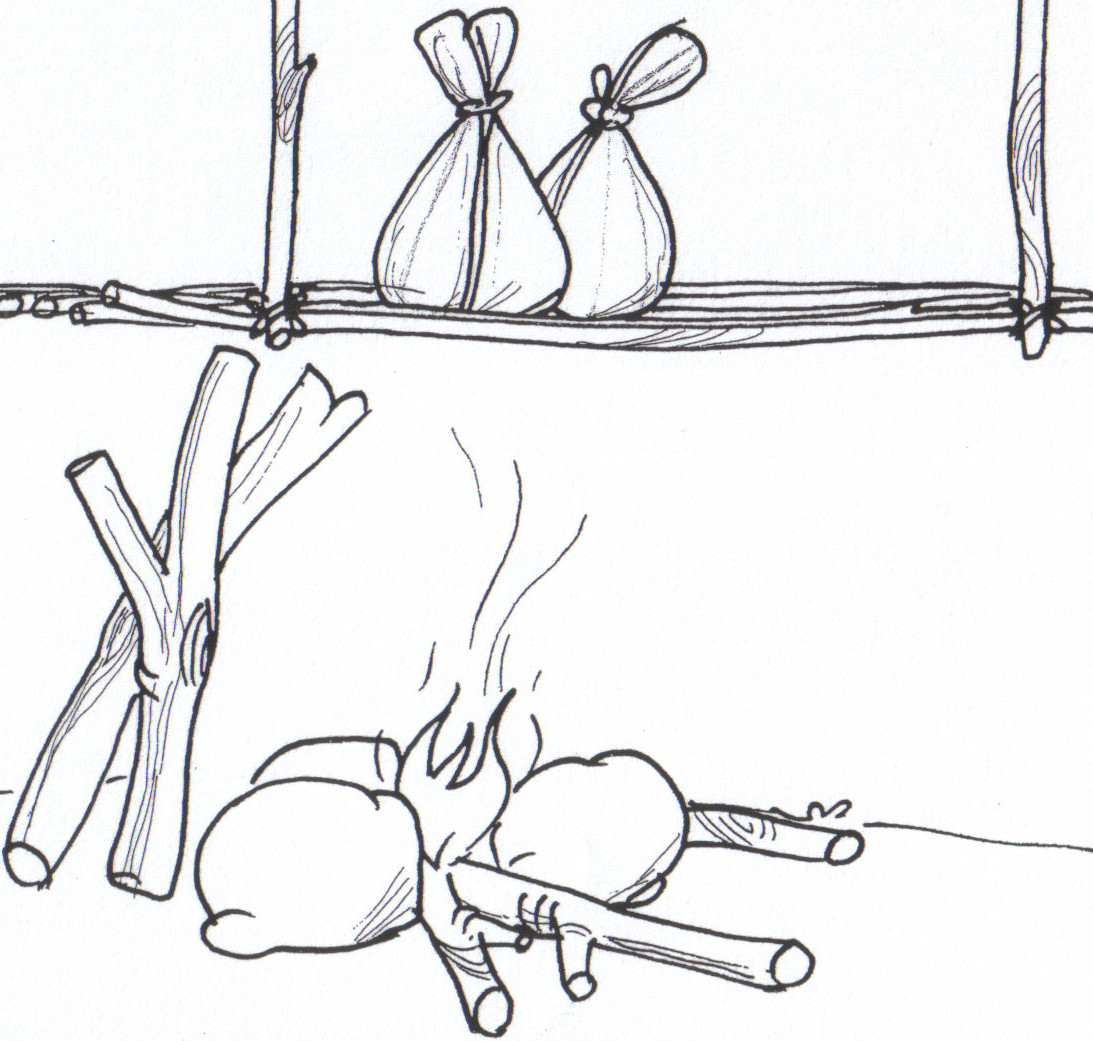
a.Leafy vegetables were cut and dried under the sun. Dried vegetables were crushed into powder form, packed say in dry banana fibers and hung above the fireplace.
b.Powdered vegetable could be added on food at the time of eating.
(b) The science behind
(i) Vegetables are an important source of food nutrients such as iron. These nutrients are needed in smaller amounts (micronutrients) by our bodies to enable us live a healthy life.
(ii) Vegetables and fruits are often abundant during/after rain season. Drying leaves in the sun preserved them for use, especially during off-season.
(iii) Storage above the fireplace protected the vegetables against insect pests and other bio-destroying agents.
(c) Challenge for present Africa
Many pregnant women and children under 5 years of age in African countries lack micronutrients such as iron, rendering their bodies weak and vulnerable to diseases. Yet, many of these countries are blessed with abundant vegetables and fruits that are natural sources of micronutrients. Addressing this challenge requires health education, but also innovative ways of preserving and storing fruits and vegetables for consumption during off seasons.
(d) What you need to think about
(i) Did you know that fruits and green vegetables are an important source of natural medicines (micronutrients) for our bodies?
(ii) How often do you eat them? The more often you eat them, the better.
(iii) Have you ever thought of planting a tree, especially a fruit tree?
(iv) If yes, do not stop at thinking; do it, i.e. plant it every time you celebrate your birthday.
5. Promoting food security
You can promote food security in your country by interesting students in your school into demonstrating and explaining remarkable food practices, such as the ones described above. This is possible, especially if your school has schools clubs and you are a member to any of them.
The Science-Minded Generation
This interesting story builds both the faith in your Creator and the inner conviction to move your society out of misery and poverty through the power of science.
Some of the careers through which you can participate in improving food security in your country include:
| Career | Description |
| Agricultural technician | -Assists agriculturists in their work and helps with the collection of information. |
| Agricultural engineer | -Applies engineering principles of science and technology, as well as their knowledge of agricultural practice, to agricultural problems. |
| Agricultural extension officer | -A person between research and farmers. He informs agricultural researchers the problems farmers face. He guides farmers into using solutions or new technologies that agricultural research has produced. |
| Agricultural-economist | -Concerned with all economical activities that influence agriculture, and aims at making it more viable/profitable. |
| Animal scientist | -Works to develop better ways of making meat, poultry, eggs and milk. They also inspect and grade food products. |
| Crop scientist/Agronomist | -Helps farmers grow more and better food, but while preserving our natural resources. |
| Farmer | -Grows crops and raises animals for food production. |
| Food scientist/technologist | -Tries to create food products that are healthier, safe, tastier, and easy to use. |
| Forester | -Manages forested lands for economic, recreational, and conservation purposes. |
| Grain grader | -Responsible for the grading, storage and distribution of food grain. |
| Soil scientist | -Studies what is in soils, and how soils help plants grow. They see how things like fertilizer can improve soils. |
| Veterinarian | -Takes care of sick and injured animals. |