
Health
Developing Africa’s traditional medicines and traditional health care practices―and integrating that found to work into the national health care system―will produce a robust health care system that provides better care. Below are lessons from traditional Africa illustrating this need. Also provided are modern careers from which you can select to participate in providing quality health care in your community/society.

Our Approach
From Tradition to Innovation
The Tool
We study health care practices in traditional Africa to bring out proven, local wisdom.
The Process
We apply inquiry-based principles to guide on how the proven local wisdom can contribute to strengthening the modern health care system in place.
The Results
A generation empowered to innovate towards creating a robust national health care system.
1. Treatment of a patient
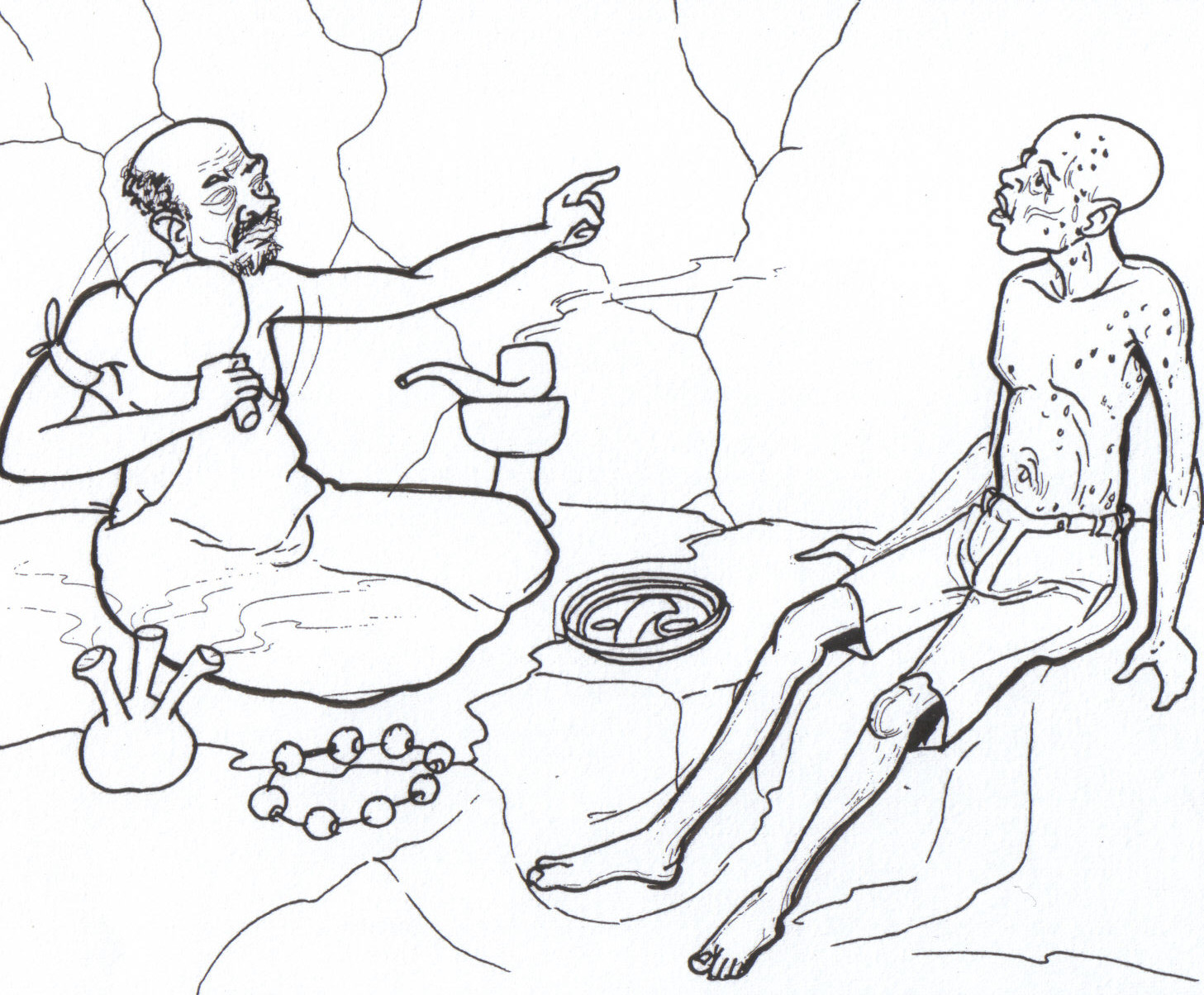
Treatment of diseases sometimes went beyond provision of medicine(s). The emotional or spiritual side of a patient was also attended to.
b) The Science Behind
(i) A human being is not just the physical body you see. He or she has an unseen part called the mind and soul.
(ii) The unseen part plays a very important role in the normal functioning of the whole body. Thus, there is a need to engage it during certain healings.
(c) Challenge for present Africa
The integration of prayer, counseling and meditation into modern medicine shows that traditional Africa had got the healing concept right. More innovative ways of engaging the mind/spirit of a patient are still needed. This is especially true of the African context where the increasingly difficult living conditions are forcing people into beliefs of witchcraft, bad luck, etc.
(d) What you need to consider
(i) Have you ever been sad in your life?
(ii) If yes, did you have energy to carry out normal duties when you are sad?
(iii) Did you know that sadness starts from negative thinking?
(iv) Positive thinking, on the other hand, brings joy and happiness into your life. You feel the energy to do things.
(v) When sick people are filled with positive thoughts, they heal faster.
(vi) What are some of the ways through which sick people can be enabled to embrace positive thoughts?
(vii) What are some of the ways through which health people can embrace and sustain positive thoughts?
2. Giving medicines
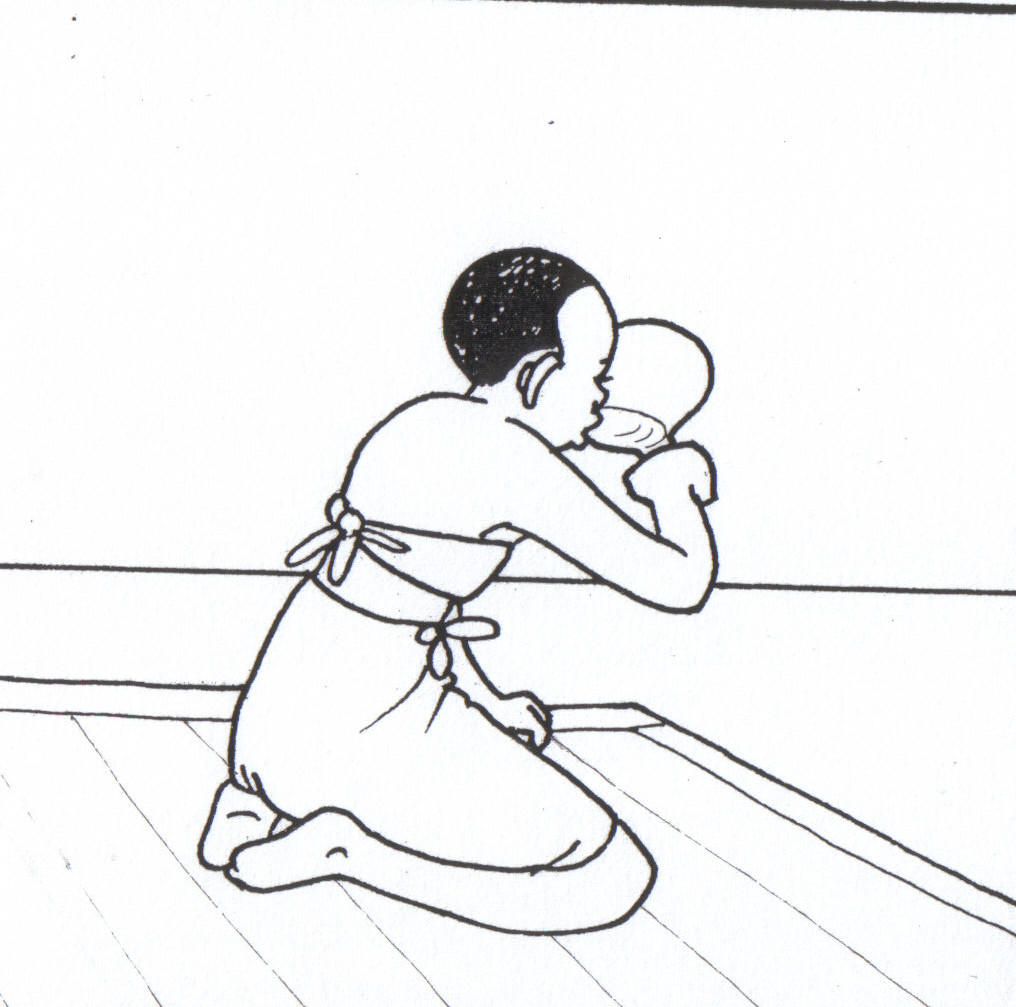
Ideas from tradition Africa
Medication
Medicine was given mostly in a combination form; it was rare to administer a single medicine to a patient.
(b) The Science Behind
(i) Treatment using single medicine (mono-therapy) promotes resistance of germs to drugs. Once this resistance comes up, the concerned drug becomes useless in treating a disease caused by that germ.
(ii) Besides minimizing development of resistance, combining medicines often leads to better treatment results or outcomes.
(c) Challenge for present Africa
Western medicine is actively promoting combination therapy in the treatment of diseases. This again shows that our forefathers had got the concept of therapeutic treatment right. Besides, they had also identified several medicinal herbs. It is the responsibility of modern biomedical scientists/health workers to analyse these herbs, identify what works and what does not work, figure out how to develop and use that which works, i.e. what to remove, what to add, how to package it for effective use.
(d) What you need to consider
(i) When you fall sick and go to hospital, do they normally give you one type of medicine?
(ii) Have you noticed how difficult it is to take different types of medicines?
(iv) Can medicines be made in such way that they are easy to take, especially by children?
(v) If yes, how can medicines be made easy to take?
(vi) Have you ever heard of patients completing a dose of a given medicine, but they fail to cure?
(vii) If yes, what do you think might be the cause of medicine failing to cure patients?
(viii) Why do health professional workers look with contempt at traditional medicines and traditional health practices?
(ix) If you are able to identify the obstacle referred to in (viii) above, can you suggest what to do to address it?
3. Surgery/Operation
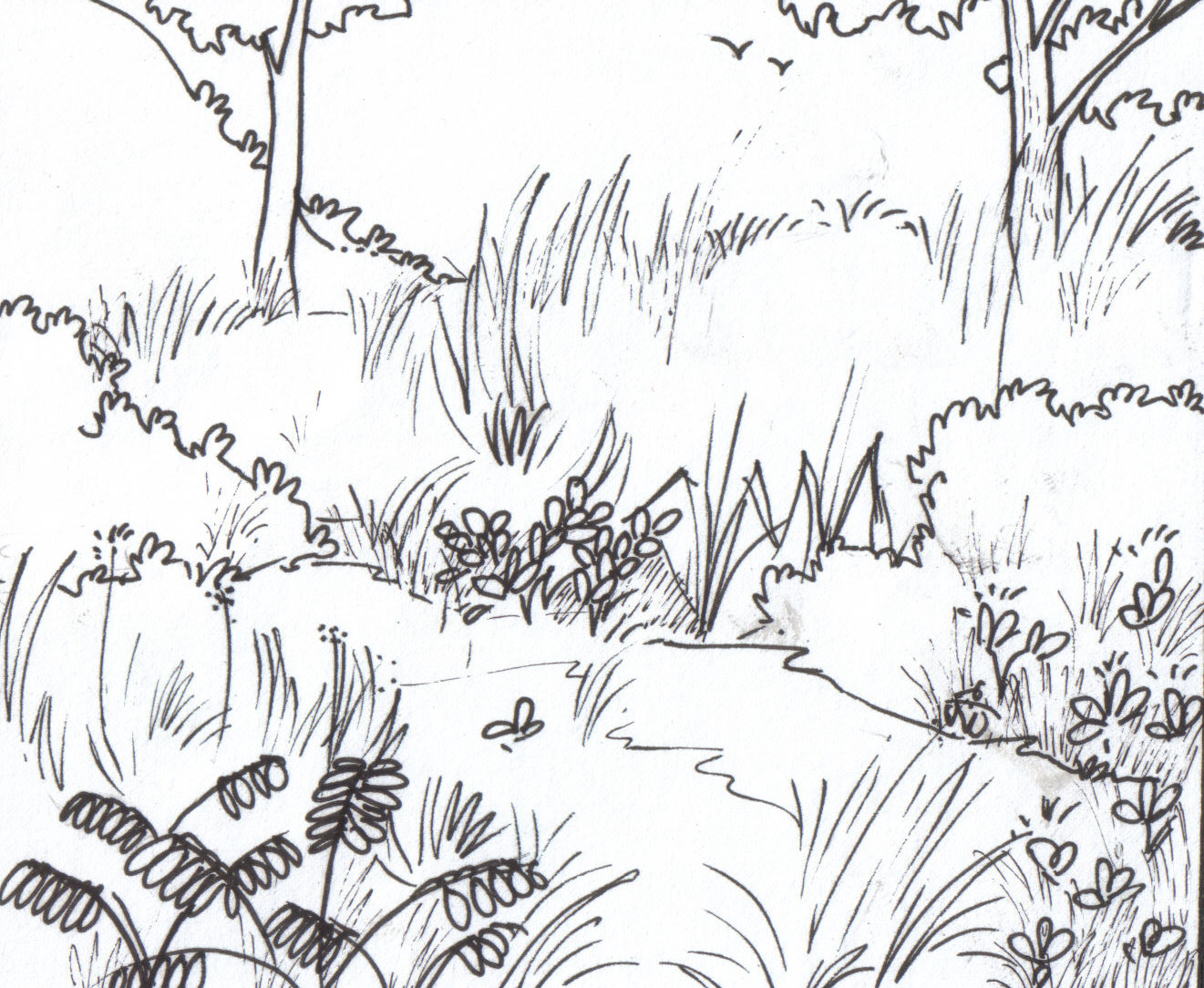
A bushy place lacking evidence of recent human use was chosen as an operation theater.
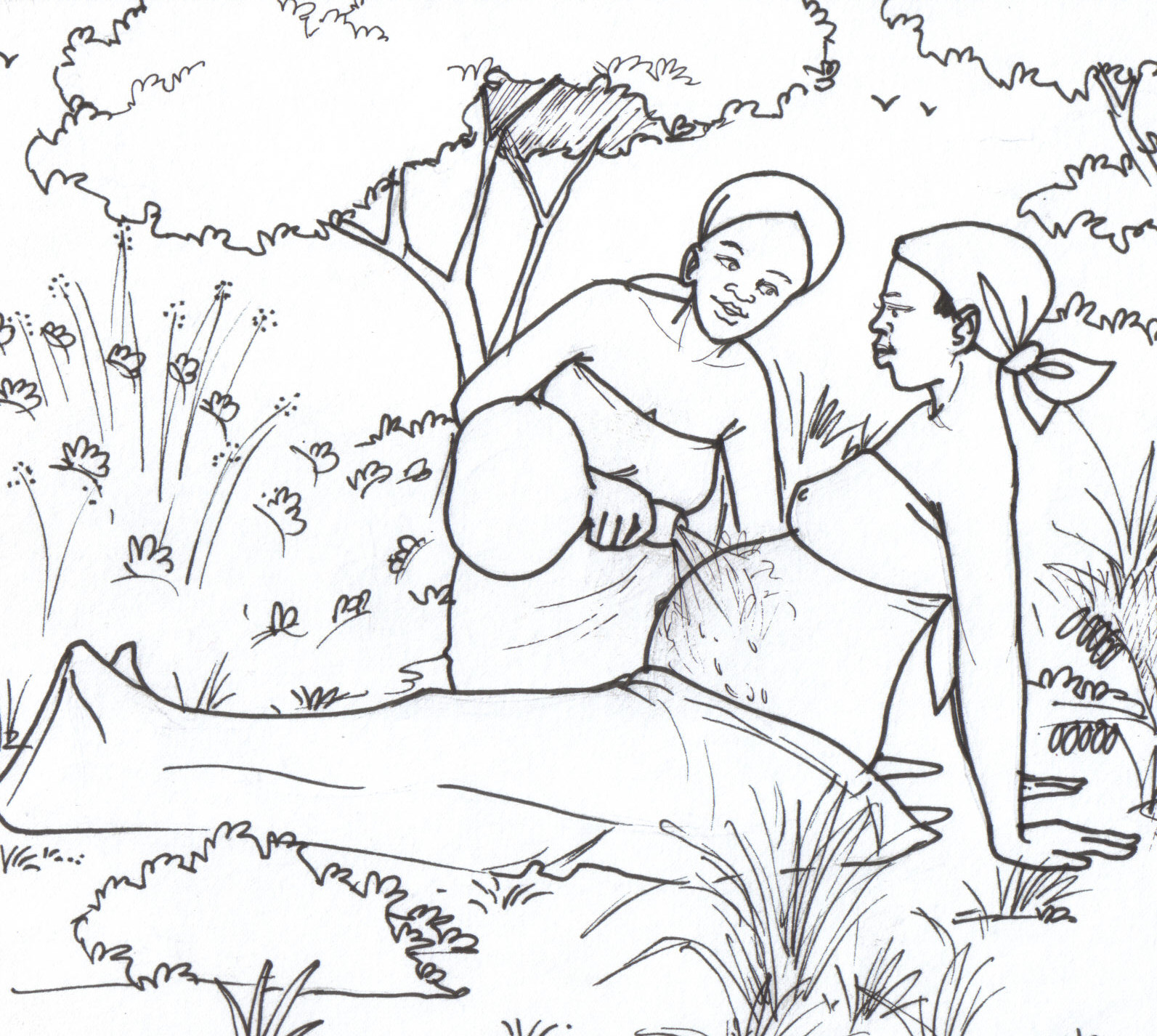
The patient for operation was washed using local brew and thereafter surgery started.
(b) The Science Behind
(i) A bushy place with no evidence of recent human trespass meant largely a germ-free environment, characteristic of theaters in modern hospitals.
(ii) Local brew is diluted alcohol and it kills germs. Indeed, many research laboratories use diluted alcohol to maintain a germ-free environment in their work places.
(c) Challenge for present Africa
Diluted alcohol can prevent infections during (i) traditional birth-delivery (ii) traditional circumcision (iii) shaving in public salons, etc.
(d) What you need to consider
(i) What is hygiene?
(ii) Do you value hygiene yourself?
(iii) If yes, why and how?
(iv) Do you wash your hands after visiting the toilet or latrine?
(v) If not, please start washing your hands after visiting toilet or latrine?
(vi) Did you know that improving hygiene would reduce significantly the number of people falling sick in your community?
(vii) Is there a way you can promote hygiene at your home, school and community?
(viii) If yes, how?
4. Life style
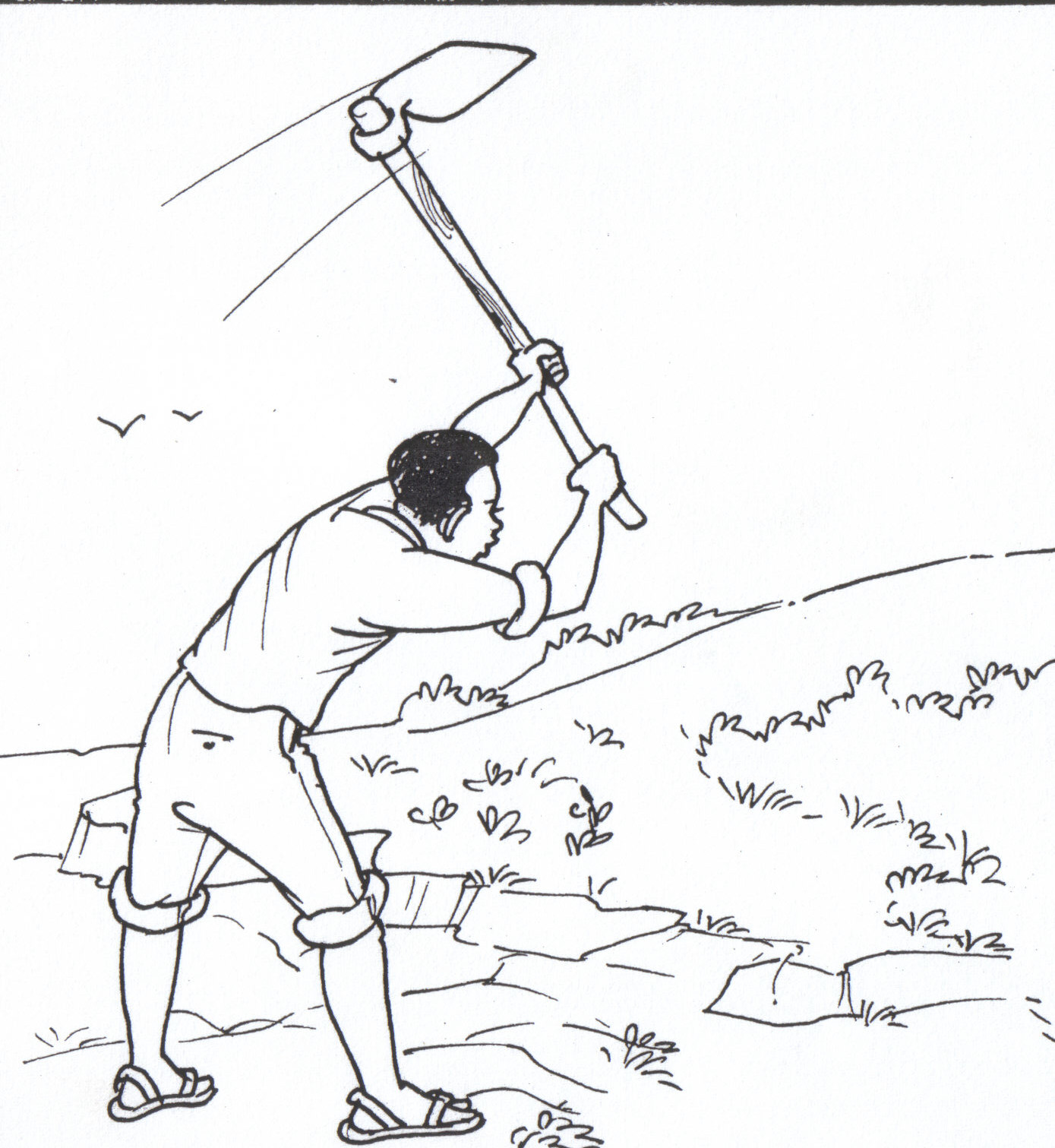
Cultivating land (digging)
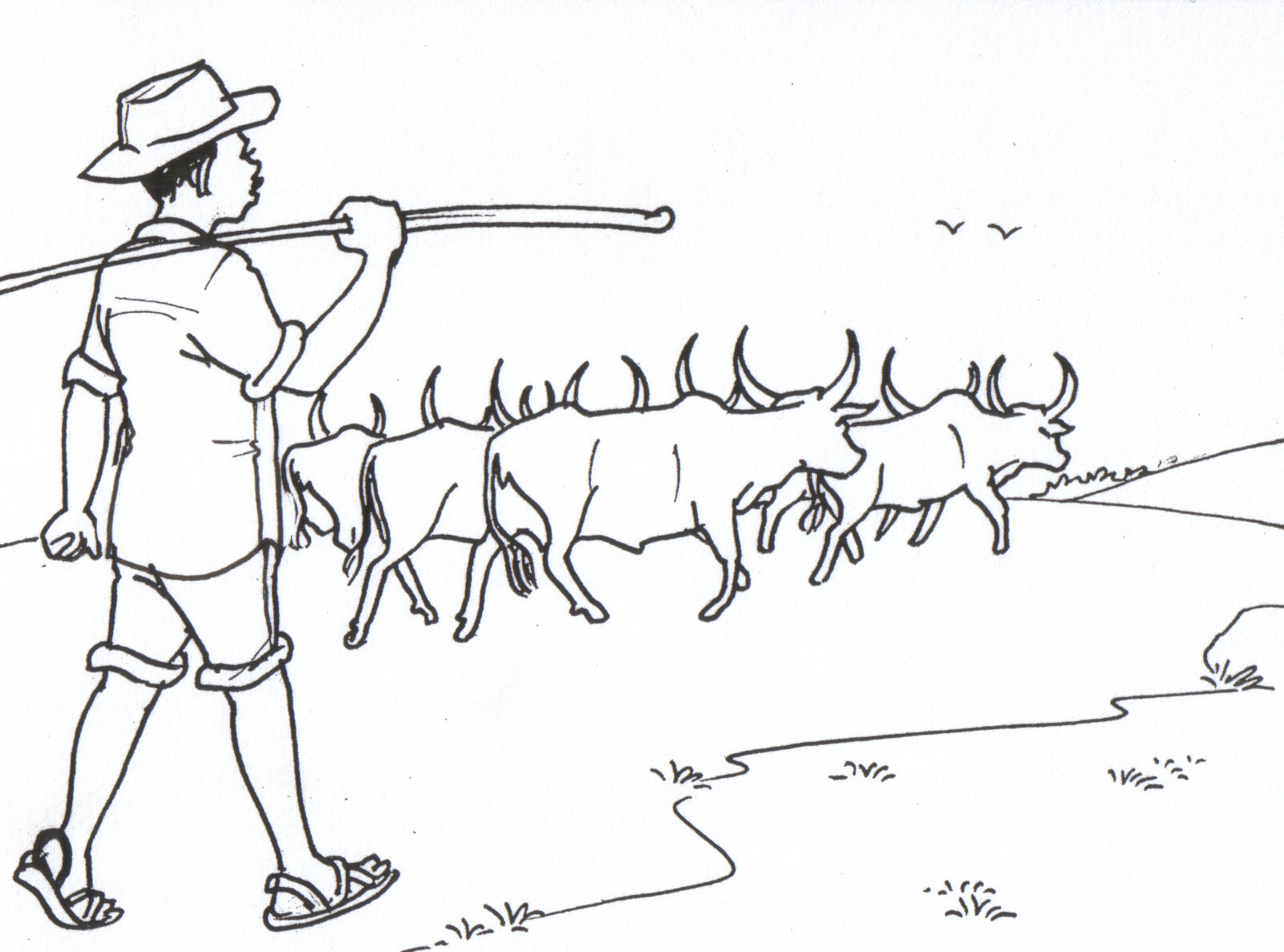
Walking the cows to graze or drink
(b) The Science Behind
An active life style is essential to the well-being of the human body.
(c) Challenge for present Africa
-Failure to exercise our bodies undermines their normal functioning, leading to lifestyle diseases such as diabetes, obesity, heart malfunctioning, etc. Students like you, spending a lot of time sitting in classrooms, must become active in at least one sport. Working people, especially those switching from office work into cars, must find ways of exercising regularly.
(d) What you need to consider
(i) Do you play any sport?
(ii) If yes, do you play that sport out of interest, or do you want to eventually earn money out of it, or is it simply a way of keeping yourself busy?
(iii) You are likely to give up that sport in the near future, when things change, except when you decide to play it as away of keeping fit.
(iv) Without a sport to play, it is difficult to keep yourself fit as an adult.
(v) How do adults who are unfit look like? Do you admire them? If no, why?
(vi) What is it that you can do now that will prevent you from becoming like them?
5. Plant medicines
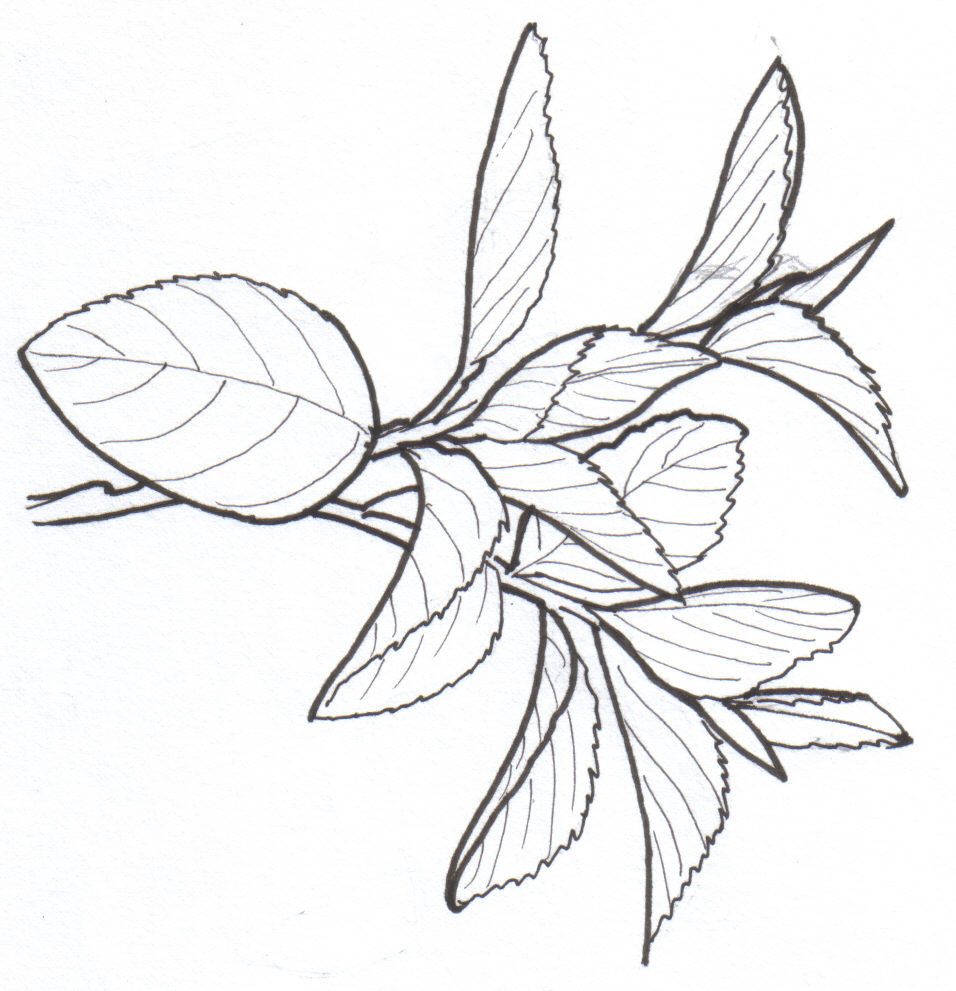
Plant medicine
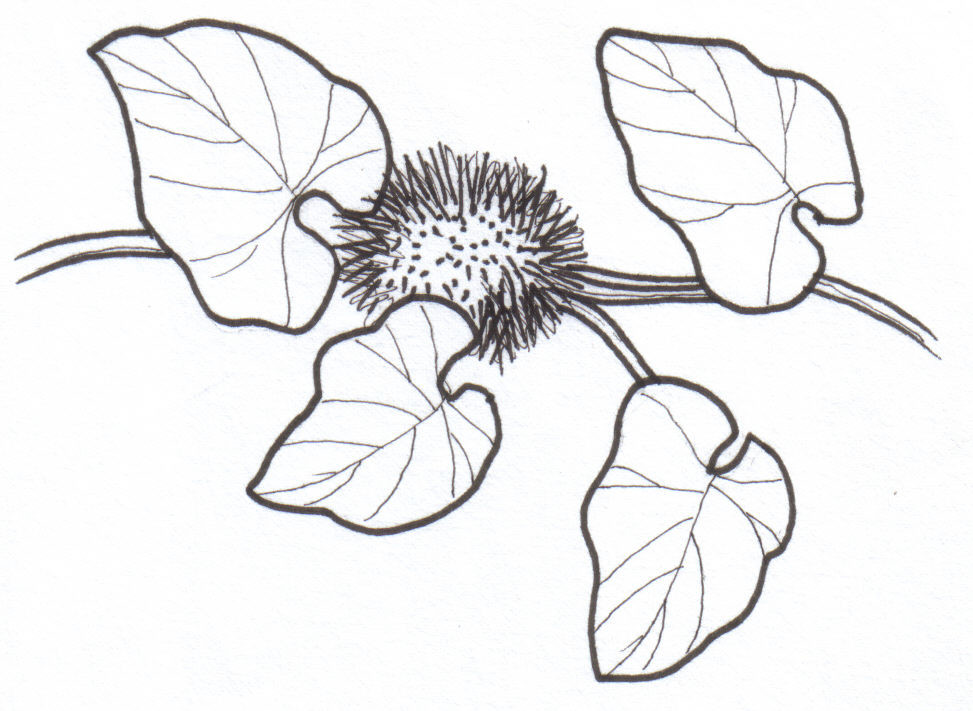
World over, communities discovered and used plant medicines in treating various diseases.
(b) The Science Behind
(i) Plants produce various kinds of chemicals or substances, some of which cure diseases.
(ii) Many medicines sold in drug shops have been obtained directly or indirectly from plants.
(c) Challenge for present Africa
Work still remains in documenting plant medicines in African communities. This documentation will help in (i) ensuring better results in treatment using plant medicines (ii) conservation of plant medicines (iii) turning plant medicines into income generating sources.
(d) What you need to consider
(i) Have you ever used any local plant to treat a disease/a body injury?
(ii) If yes, did it cure you?
(iii) Have you ever seen people using local plants to treat themselves or their children?
(iv) Sometimes, you find people with money also using plant medicines. Why?
(v) Did you know that every disease that man suffers has a medicine? That this medicine is in our environment, i.e. plants, rocks, animals, minerals, etc.?
(v) How can we discover and use these medicines, especially with regard to diseases like cancer that have no effective medicines yet?
6. Promoting novel knowledge and skills in health
You can promote relevant knowledge and skills, hidden in our traditional medicines and traditional health care practices, by interesting students in your school into analysing and discussing local health practices, such as the ones described above.
The Science-Minded Generation
Through science and evidence-based medicine, you gain the knowledge and power to address these issues directly. Your goal isn’t just to be a good student; it’s to become a problem-solver who actively moves your society forward, out of misery and into a future of better health and prosperity for all.
You have the ability to be the change your community needs.
Some of the careers through which you can participate in providing quality health care in your community/society include:
| Career | Description |
| Biomedical engineer | -Implements engineering principles/techniques in the solution of problems in biology, medicine, dentistry and veterinary science. |
| Chiropractor | -Responsible for the diagnosis, treatment and prevention of functional disorders of the neuromusculo-skeletal system. |
| Clinical laboratory technologist | -Plays a crucial role in detection, diagnosis, and treatment of disease. |
| Dental assistant | -Helps dentists to perform various procedures speedily, with minimum discomfort to the patient. |
| Dental technician | -Manufactures dentures, bridges, crowns, fillings and orthodontic apparatus. |
| Dentist | -Diagnoses, prevents, and treats numerous dental problems and diseases of the teeth, gums and mouth. |
| Dietician/Nutritionist | -Utilizes the science of nutrition to maintain good health, and to prevent and control diseases in people from all walks of life. |
| Doctor/Specialist | -Treats sick people, or makes people healthier. |
| Environmental health officer | -Responsible for the management of environmental affairs that have an influence on the human well-being. |
| Homoeopath | -Uses minute quantities of plant, mineral and other therapeutic substances, prepared according to a specific method, to gently stimulate patients back to health. |
| Medical physicist | -Concerned with the application of physics in medicine to enhance the health care of the community. |
| Microbiologist | -Studies the anatomy, genetics and physiology of microorganisms, as well as the vital interactions between microorganisms and the environment. |
| Molecular biologist/biotechnologist | -Develops methods to control biological processes for use in industry, agriculture, forestry, horticulture and breeding. |
| Nurse | -Takes care of sick and injured people. |
| Occupational therapist | -Treats people through active participation in purposeful activities, in order to enable them to regain their health, return to their community and enjoy quality of life. |
| Optical dispenser | -Dispenses spectacles to people with vision defects so that they can achieve the best vision possible. |
| Optical technician/optician | -Prepares lenses according to prescription from optometrists and ophthalmologists. |
| Optometrist/ophthalmologist | -Deals with human vision, and aims to give patients clear and efficient vision. |
| Oral hygienist | -Aids individuals to attain and maintain optimum oral health. |
| Parasitologist | -Studies organisms that use man or other animals as hosts for their survival. |
| Physiologist | -Studies the normal functioning of living organisms. |
| Physiotherapist | -Use their hands, mechanical and electrical machines as well as natural elements to assist clients in the alleviation of pain, restoration to good health and enhancement of function. |
| Podiatrist | -Specializes in the diagnosis and management of problems, injuries or pathology relating to the human foot. |
| Psychiatrist | -Prevents/treats mental disorders. |
| Psychologist: Industrial/clinical/educational | -Studies the human mind, and tries to explain why people act as they do. |
| Radiation protectionist | -Involved in the protection of humans and the environment against the dangerous effects of the incorrect use of radiation and radioactive materials. |
| Radiographer | -Uses X-rays or other radiation media or ultrasound for the detection and treatment of an illness. |
| Recreation worker | -Plans and teaches activities that people enjoy in their free time. Include fitness workers, camp directors, aerobics instructors, etc. |
| Recreational therapist | -Uses sports, games, arts, crafts, and music to help patients build confidence and get back into life. |
| Speech and hearing therapist | -Helps babies, children, and adults who have communication disorders, to overcome or reduce their communication handicaps. |