
Family
The history of Africans is a history of challenges. The secret to the survival of Africans therefore has been the African family. Its existence is however now under threat. Thus, you can end up making a living by advocating for and promoting the African family values that are timeless, i.e. still relevant today. Below are lessons from traditional Africa pointing to such values. Also provided are modern careers from which you can select to participate in protecting or promoting the family integrity in your country.

Our Approach
From Tradition to Innovation
The Tool
We study traditional practices in the African family to find proven, local wisdom.
The Process
We apply inquiry-based principles to guide how this proven wisdom can promote the survival of Africans as a people.
The Results
A new generation equipped to value, cherish and promote family integrity.
1. Avoiding inbreeding or getting children from closely related persons
Ideas from tradition Africa
Marrrying from a distant blood
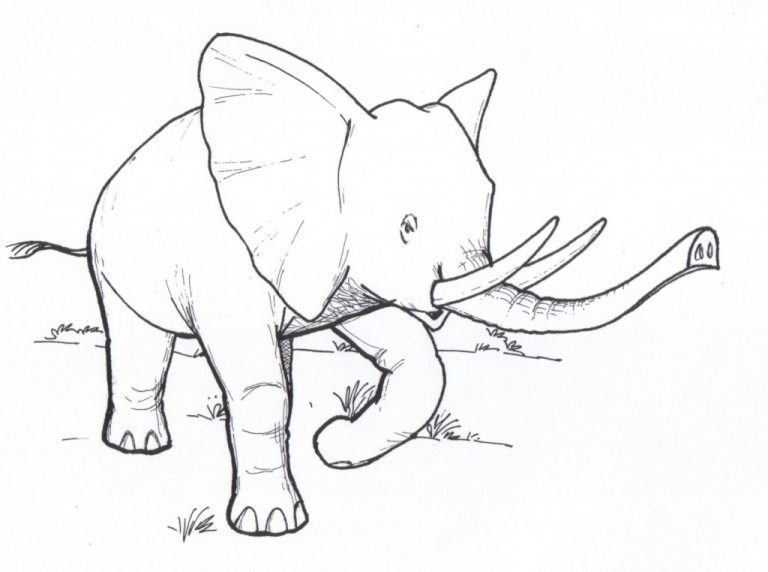
a. A totem (sacred symbol) for the Elephant Clan: Marrying someone from the same family or clan was discouraged; he or she was regarded as a close relative.
(b) The science behind
Close relatives, when they get married, produce children who are biologically weak. They stand high chances of getting diseases that are passed on from previous generations.
(c) Challenge for present Africa
Keeping our culture and traditions, especially the practices and beliefs that are still relevant today, cannot hold back Africa. On the contrary, this approach will promote vibrancy in African societies that will result into enhanced economic progress – just like it has happened in several Asian countries.
(d) What you need to consider
i. Do you know of a disease called sickle cell?
ii. Are you aware that sickle cell is a problem that comes from both one’s mother and one’s father?
iii. Which other inheritable diseases are you aware of?
iv. How can we prevent diseases mentioned in (ii & iii) above?
v. Can you point out practices in your culture that are beneficial to the present day and therefore worth keeping?
vi. Can you become an advocate of what you list in (v) above?
2. Marriage
Ideas from tradition Africa
Marriage
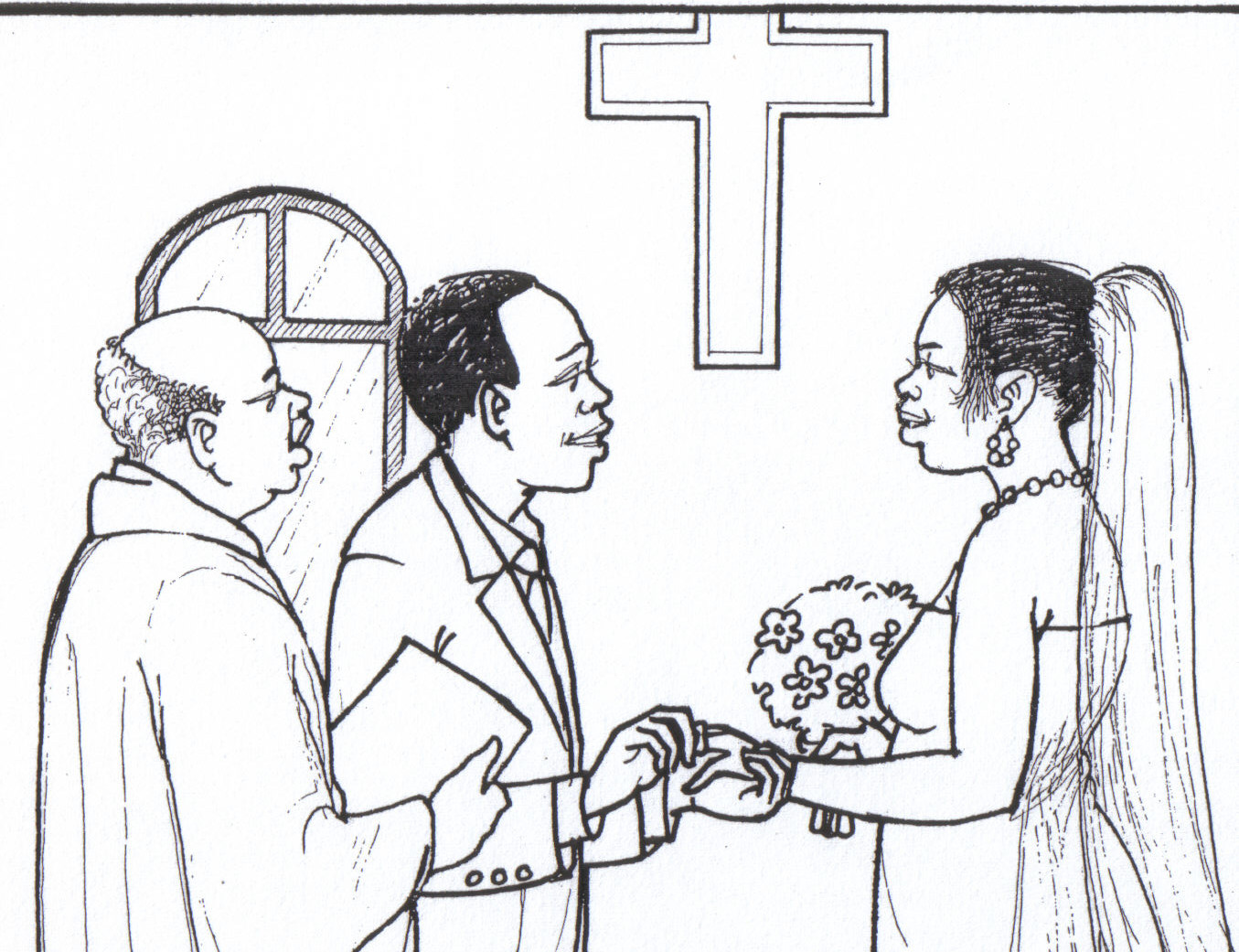
(a). The family was highly prized in traditional Africa. Parents were involved in both the formation and sustenance of their children’s marriages.
b) The science/psychology behind
-The well-being of any society starts with a functioning family. A society’s well being therefore depends largely on how it helps the newly formed marriages overcome their subsequent challenges.
-Because parents have acquired a lot of knowledge and experience about marriage, they become better guarantor of their children’s marriages, provided they are respected and listened to.
(c) Challenge for present Africa
Family is one of the most threatened entities in many African countries, as evidenced in the increasing numbers of divorces, separations, dysfunctional homes, single mothers, domestic violence, street children, among others. This challenge needs to be addressed, if African countries are to become stable and prosperous societies.
(d) What you need to consider
i. Have you ever seen street children?
ii. If no, learn it from today that living on a street is the most unfortunate situation to be in as a child.
ii. Did you know that majority of the street children are a result of the weakening/disappearing African family, i.e. a family with no/limited African values?
iii. In other words, the problem of street children will increase – if we do not protect the remaining African family, at least until the country can attain and sustain a functional welfare system.
iv. How can the African family be protected?
iv. What is a welfare system?
iv. Why is it difficult to establish a welfare system in many African countries?
iv. What should you do as a generation, to have a functional welfare system in your country?
3. Protecting the biological role of the father in a family
Ideas from tradition Africa
Fatherhood
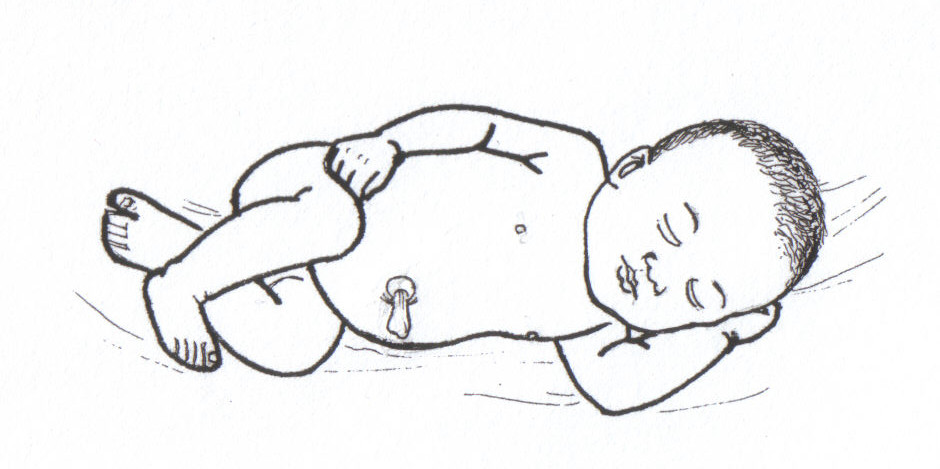
a. After giving birth, the child‘s dried umbilical was marked properly and kept in a secret place. During a special ceremony, the umbilical cords of all the children in a family were smeared with cow ghee and placed in a container. Local brew, diluted with milk, was powered into the container and shaken; failure of the umbilical cord to float indicated that the child had been fathered outside the family. In this way, the husband came to know his true children.
b) The science behind
Cow-ghee increases the chances of the dried umbilical cord to float. The whole practice was largely psychological, meant to safeguard the biological right of the father in a family.
(c) Challenge for present Africa
It is now possible to establish a child’s true father using paternity testing. As to whether these tests will promote stability in marriages, just as its ‘equivalent’ largely in traditional Africa, remains to be seen.
(d) What you need to consider
i. What problems do marriages face, if partners fail in becoming faithful to one another?
ii. How can faithfulness be promoted among married people in your country?
iii. Have you ever heard of herbs secretly administered in marriages to secure a partner’s faithfulness?
iv. If yes, do you believe they work?
v. If your answer in (iv) above is yes, would you administer the same to your partner?
vi. More importantly, are you aware that (a) some of the mental ill-health cases in marriages might be attributable to such herbs? (b) marriage is secured not by ‘medicines’ but by the partner’s attitude and behaviour?
v. How can the use of herbs to secure marriages be minimised?
v. How can people’s attitudes and behavior be improved in fostering marriages?
4. Caring for the weak or vulnerable in society
Ideas from tradition Africa
Caring for the Weak/Vulnerable
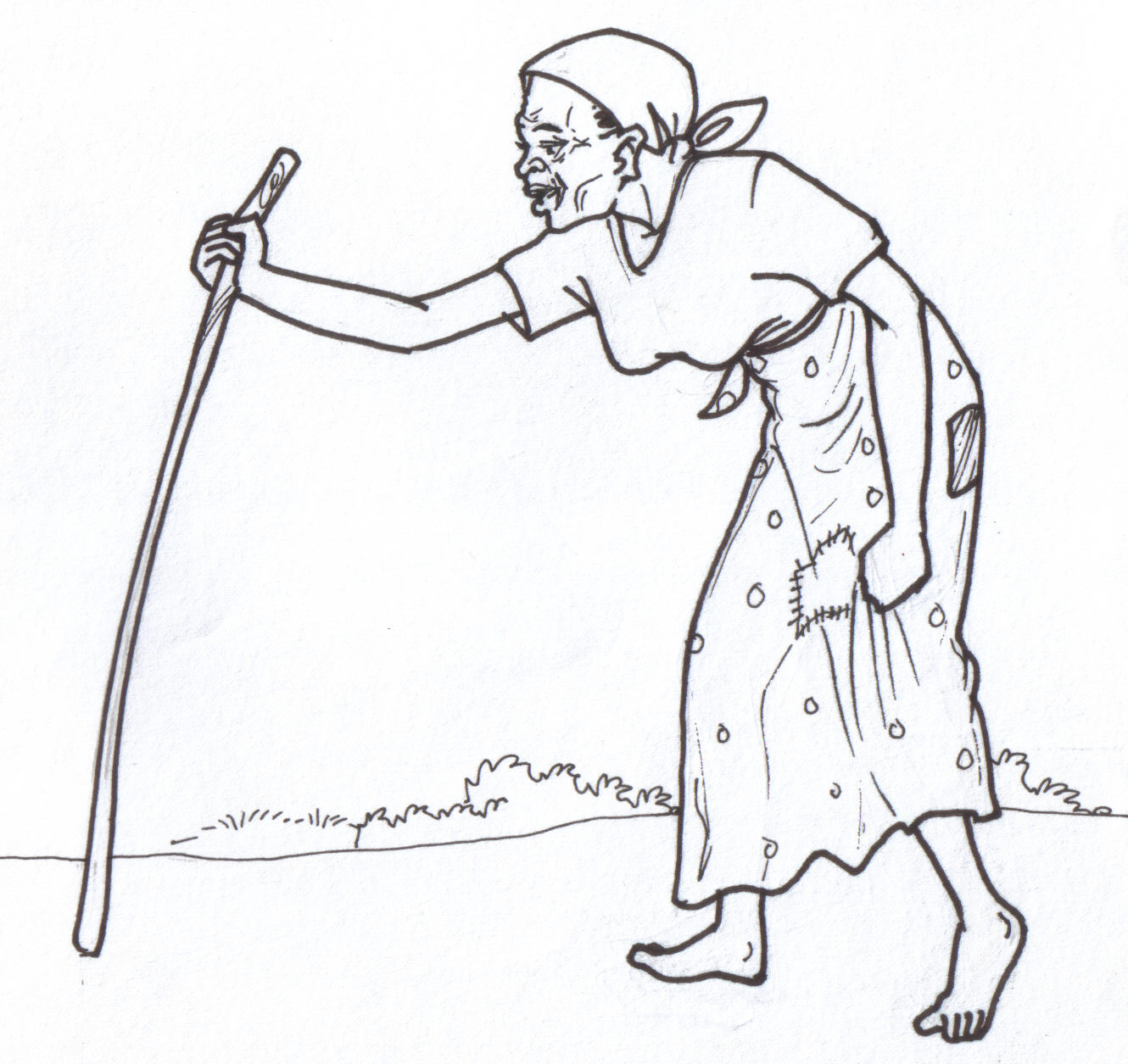
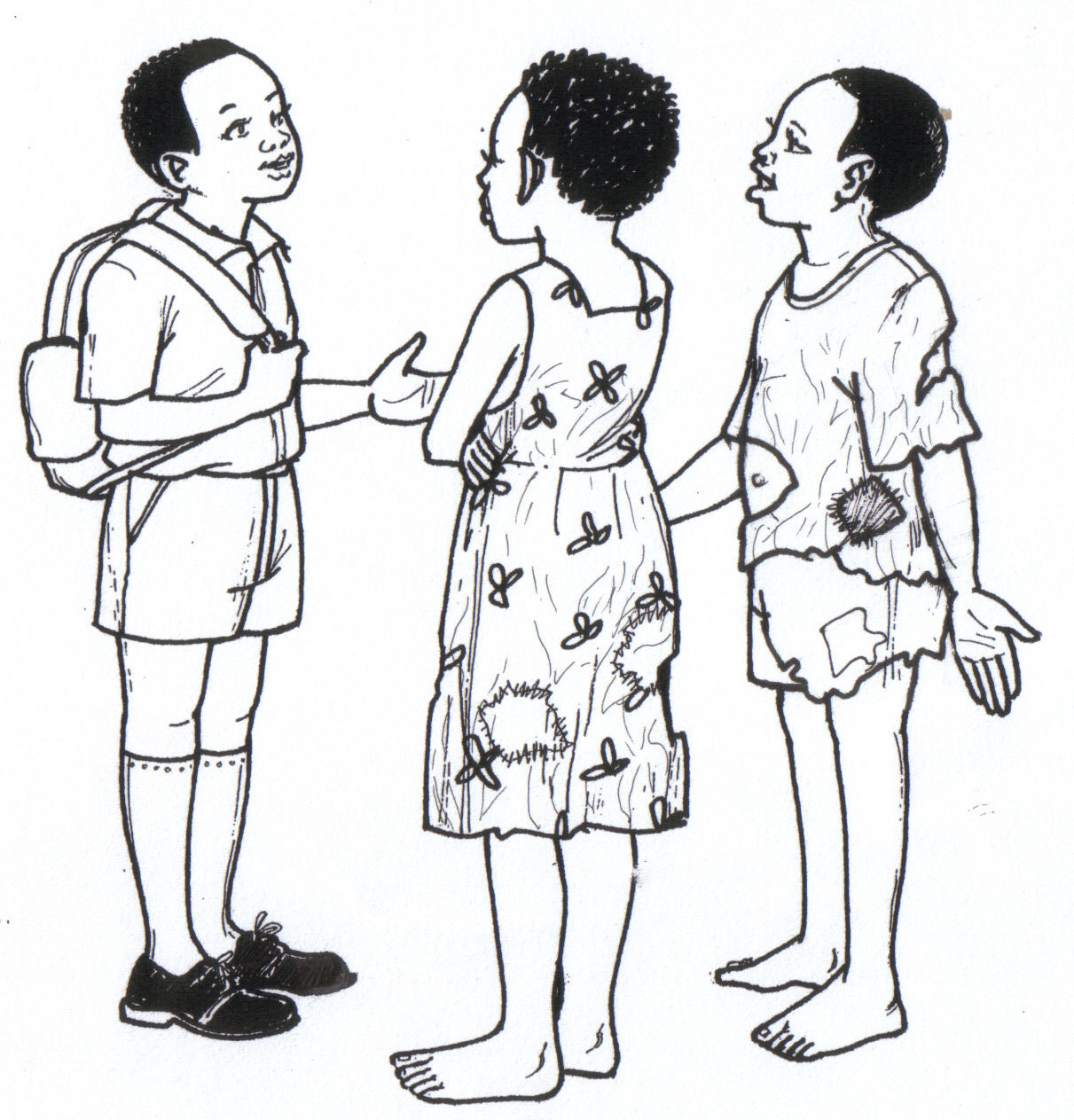
a. A weak and helpless old woman
b. A child going to school, talking to orphaned children not in school.
(b) The Science/Psychology Behind
The weak and vulnerable in traditional Africa survived largely because of the extended family system. All children were assured of a future mainly because of the extended family system.
(c) Challenge for present Africa
The extended family system is dying before African countries can put in place a functional social welfare system. This puts these countries are at cross roads. It explains the increasing neglect faced by the elderly, orphaned children and widowed mothers in the country.
(d) What you need to consider
i. Have you ever seen old people in your community?
ii. Do you know that these old people were once young like you?
iii. Are you aware that they grew up and many worked hard for the country you are in?
iv. Is it fair for your country not to take care of them, when they become weak and old?
v. What can be done to help the elderly and orphaned children in your community?
5. Promoting family values
You can promote family stability in your country by interesting students in your school into debating and bringing to their attention timeless values in the African family.
The Science-Minded Generation
This interesting story builds both the faith in your Creator and the inner conviction to move your society out of misery and poverty through the power of science.
Some of the careers through which you can participate in promoting or protectng the family integrity in your country include:
| Career | Description |
| Anthropologist | -Studies people, their relationships, and how they live together as members of society. |
| Attorney/lawyer | -Gives advice to people/govt./companies/organization; tells them what they can and cannot do under the law. Also defends clients in the courts of law. May work for govt., law-firms, companies, etc. |
| Author/writer/novelist | -Develops original written materials for books, magazines, journals, online publications, company newsletters, radio/television broadcasts, motion pictures, and advertisements. |
| Clergyman | -Responsible for the spiritual well-being of people. |
| Clothing designer | -Creates and helps produce men’s, women’s, and children’s apparel, including casual wear, suits, sportswear, etc. |
| Film director | -Interprets scripts, auditions and selects cast members, conducts rehearsals, and directs the work of cast and crew. |
| Freelance writer | -Self-employed, and sells his/her work to publishers, publication enterprises, manufacturing firms, public relations departments, or advertising agencies. |
| Home economist | -Focuses on the improvement of the well-being of individuals, families and the community. |
| Journalist/Reporter | -Gathers information and writes news stories. |
| Judge | -In charge of trials in the courts of law. |
| Police | -Enforces laws in a country. |
| Politicians | -Supposed to be the most hopeful messengers of a society’s will to improve. Thus, run local and national government. |
| Producer | -An entrepreneur who makes the business and financial decisions involving a motion picture that is made for cinema, television feature, or stage production. |
| Social worker | -Helps people overcome problems, and make their lives better. |
| Sociologist | -Studies the means by which people and groups behave towards each other, as well as socioeconomic developments and changes. |