
Environment
Environment means the living and non-living things around you. If this environment is not protected, your life too will be at a risk of coming to an end. Environmental protection is therefore something that the world takes seriously. Below are lessons from traditional Africa to guide you towards promoting the protection and conservation of the environment in your country and beyond. Also provided are modern careers from which you can select to participate in the protection or conservation of the environment.

Our Approach
From Tradition to Innovation
The Tool
We study traditional conservation practices to find proven, local wisdom.
The Process
We apply inquiry-based principles to guide how this proven wisdom can promote sustainable conservation of the environment.
The Results
Learners gain the conviction to solve current environmental challenges like scarcity and biodiversity loss.
1. Sustainable use of biological resources (Fig Tree, Ficus natalensis)
Ideas from tradition Africa
Sustainable Use
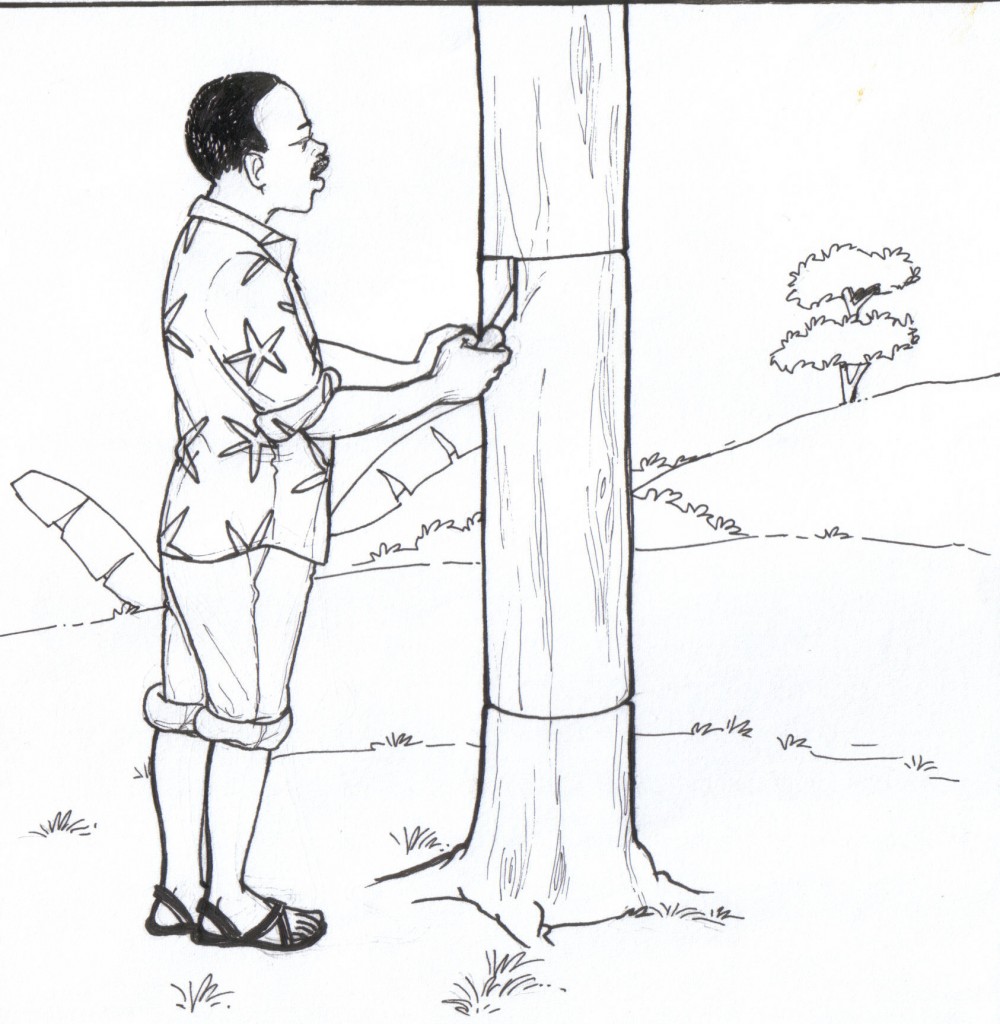
a.-Bark was removed from the tree by making two circular cuts and one vertical cut, so that the bark peels of the trunk as one sheet – for use in marking bark cloth.
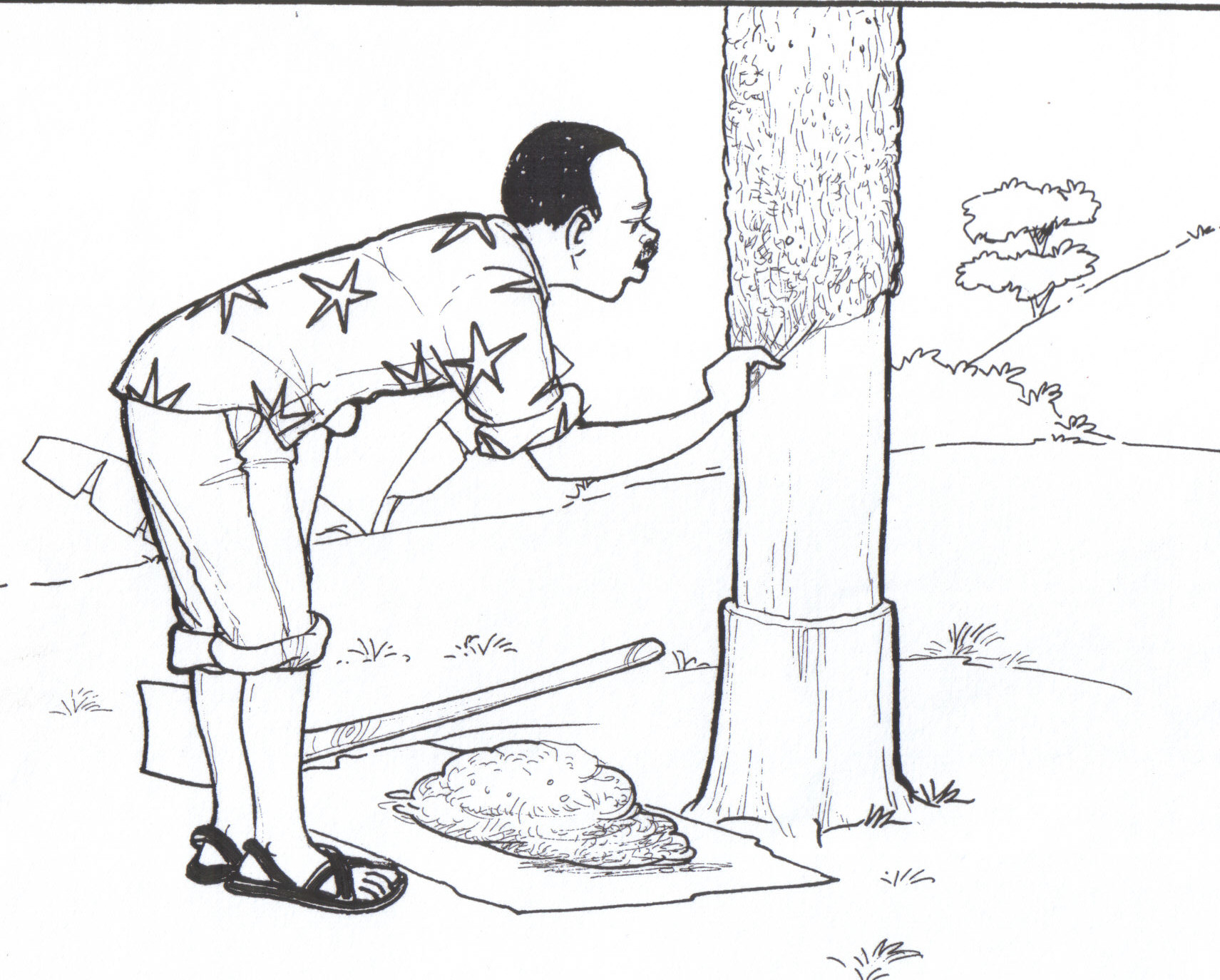
b. The exposed tree-trunk was wrapped with fresh banana leaves and left for 3 – 4 days.
c. The leaves were removed, trunk was plastered with wet cow dung and tied with banana leaves to protect it from direct sunlight. Cow dung was left to dry and drop off. In this way, the exposed trunk grew new layers of bark for re-use.
(b) The science behind
We should use biological resources in such away that tomorrow’s generation will find them and use them too. This is what they call using biological resources in a sustainable way.
(c) Challenge for present Africa
Sub-Saharan countries are facing increasing demand for firewood, timber, cultivation land, grazing land, etc. Most of these demands will be addressed through sustainable use of biological resources.
(d) What you need to consider
i. Have you ever used any biological resource(s)?
ii. If yes, what should be done to ensure that your children too can find and use that biological resource?
iii. Can you, as you grow up, become an advocate for your answer to question (ii) above?
iv. How can farming land be used sustainably?
v. How about grazing land? What can be done to raise more animals on the same land? Is what you are proposing affordable in your country?
2. Soil conservation
Practices in Traditional Africa
Soil Conservation
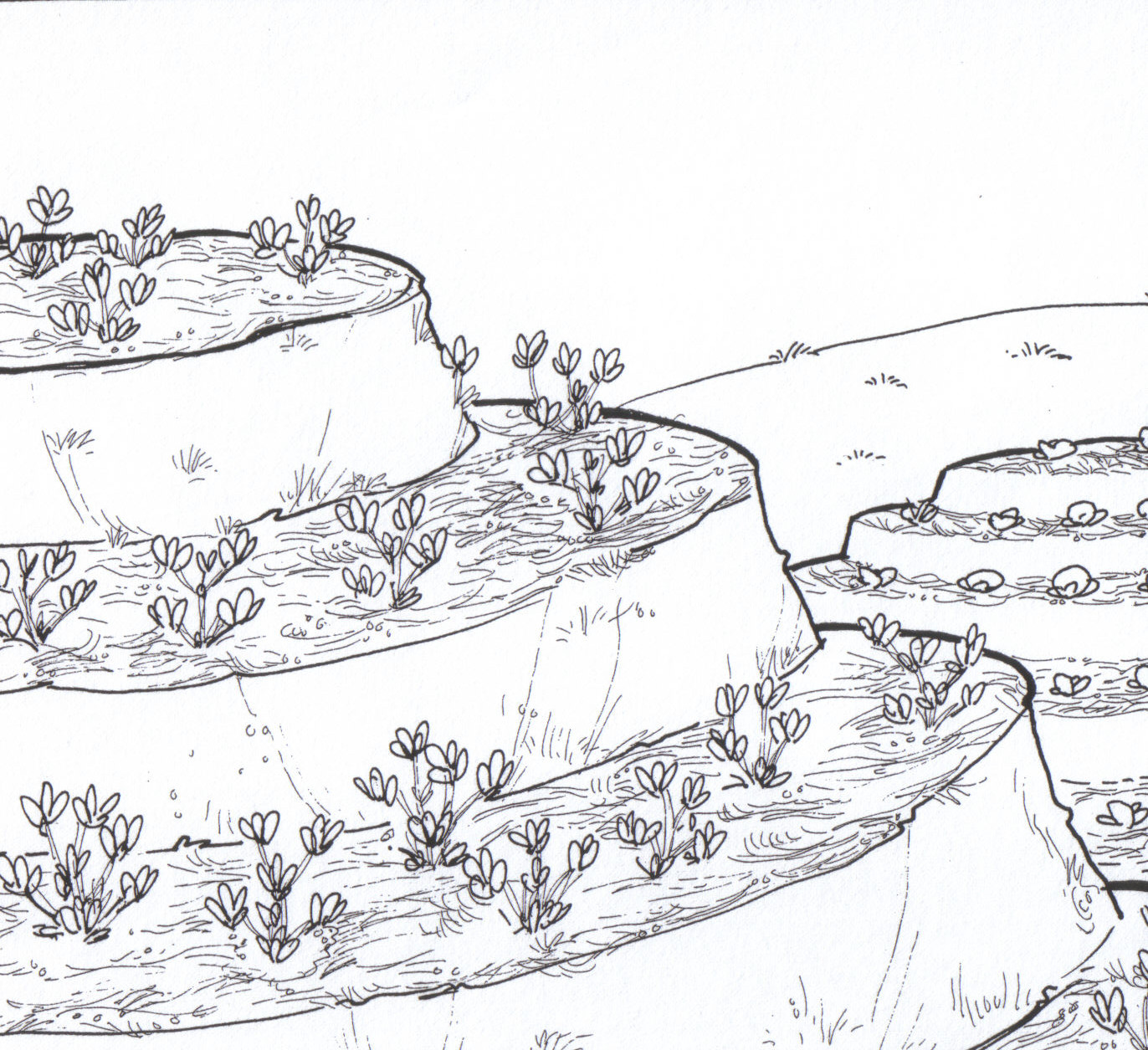
a Terrace farming – in hilly areas
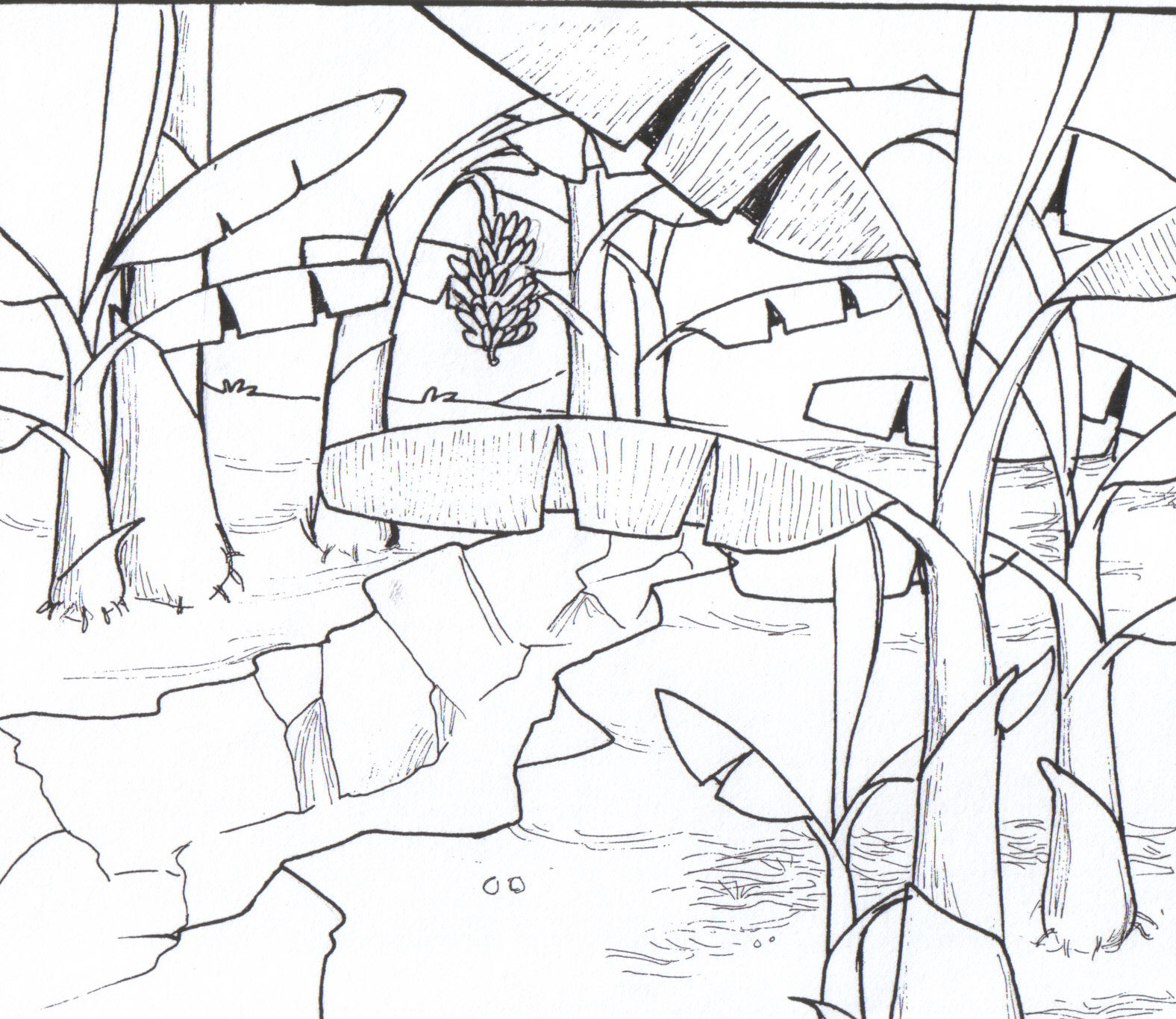
b. Soil gullies in a banana plantation – relatively flat areas
(b) The science behind
Top soil is rich in humus and other soil nutrients – yet it is easily lost through soil erosion. Good farming practices in traditional Africa, such as the ones described above, prevented or minimized soil erosion.
(c) Challenge for present Africa
Soil erosion is a big problem in African countries, as evidenced in the muddy waters flowing in many of the continent’s rivers. Promoting good farming methods, like was the case in traditional Africa, will go a long way not only in reducing soil erosion but also in enhancing food production.
(d) What you need to consider
(i) Is there anything you can do to prevent soil erosion at your home or school?
(ii) If you come up with an idea that can prevent soil erosion, ask your teacher or parent for permission to implement it – and then see if it works.
(iii) If it works, write it down and keep it. You may make money out of it, after finishing school.
3. Water conservation
Ideas from tradition Africa
Water conservation
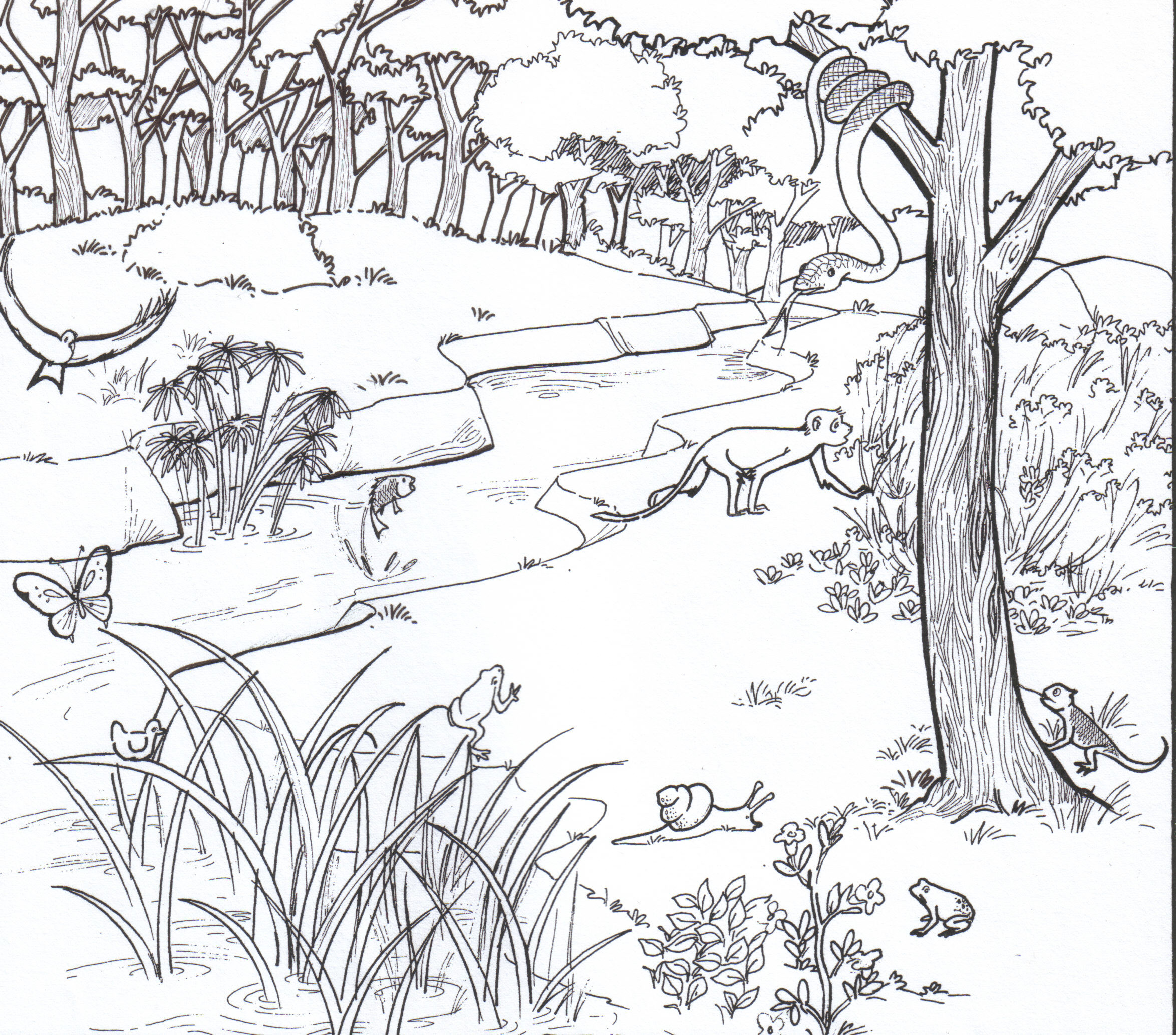
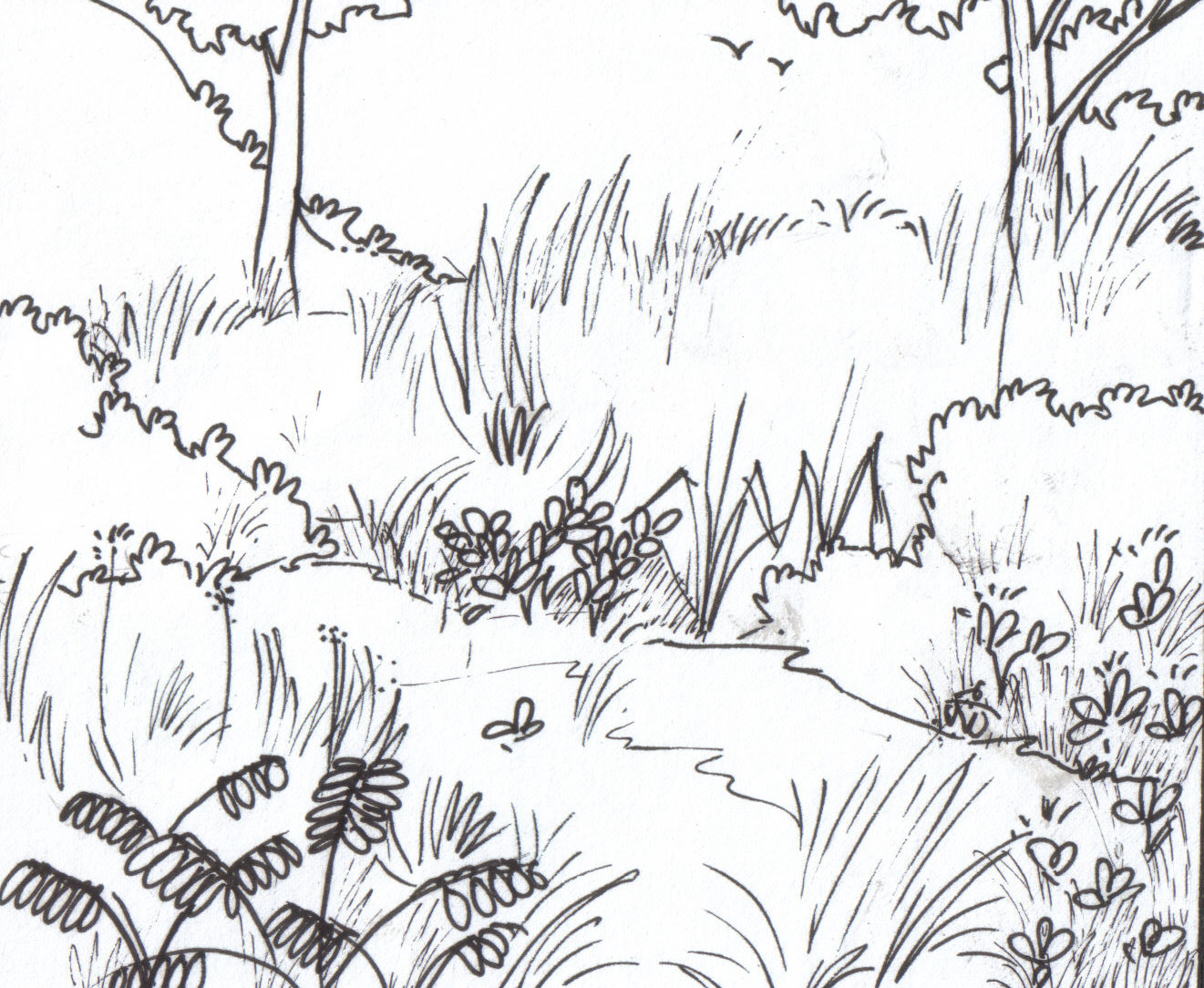
Sources of water (wells, streams, etc.) are normally covered by vegetation that small animals, such as snakes, use as home. -This vegetation was regarded as a dwelling place for a spirit and this view protected it from getting cleared. -Fetching water in a hot day sun-shine was discouraged, for it was time for the spirit to come out of the hiding.
(b) The science behind
An innovative approach to conserve water sources by the local communities. Discouraging the fetching of water in a hot day sun-shine was away of minimizing chances to get bitten by snakes and other poisonous reptiles, living in the conserved habitat. Repeated bites from poisonous reptiles would have forced the community to clear the conserved vegetation.
(c) Challenge for present Africa
-Many of Africa’s springs, streams and rivers are around because their water sources or their catchments areas were conserved by our fore fathers. Unless present Africa does the same, upcoming generations may face a big problem of water scarcity.
-Local communities should be allowed to use resources in national parks and other conserved areas. What needs to be regulated is the use of conserved resources by these communities. If allowed access to conserved resources, local communities will become better partners in conservation campaigns.
(d) What you need to think about
i. Do you bathe or wash your body every day?
ii. Did you know that bathing every day may not be possible in the future? In other words, that the increasing water scarcity may force people, including you, to bathe once or twice a week?
iii. You can help prevent that situation by using water sparingly, by promoting the harvest of rain water for use, by educating communities to preserve vegetation around water sources and most importantly, by planting a tree every time you celebrate your birth day.
4. Biodiversity Conservation
Ideas from tradition Africa
Biodiversity conservation
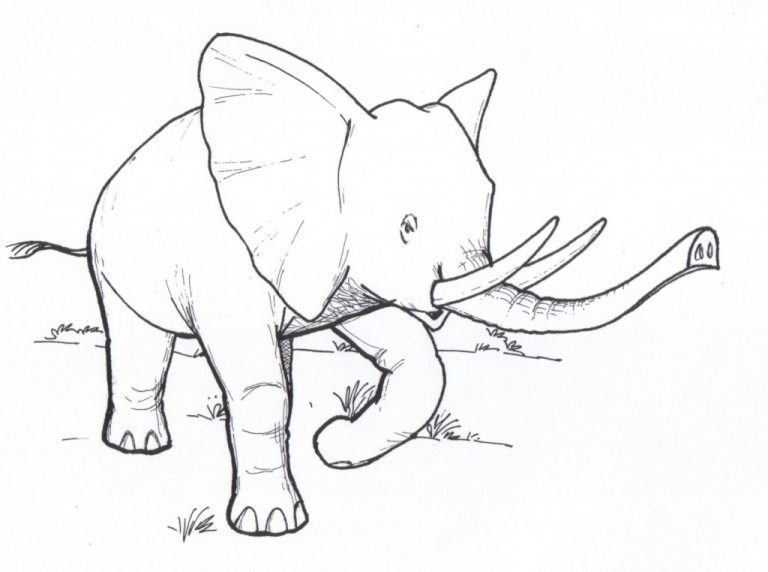
a.A totem (sacred symbol) for a group people in central Uganda belonging the Elephant Clan
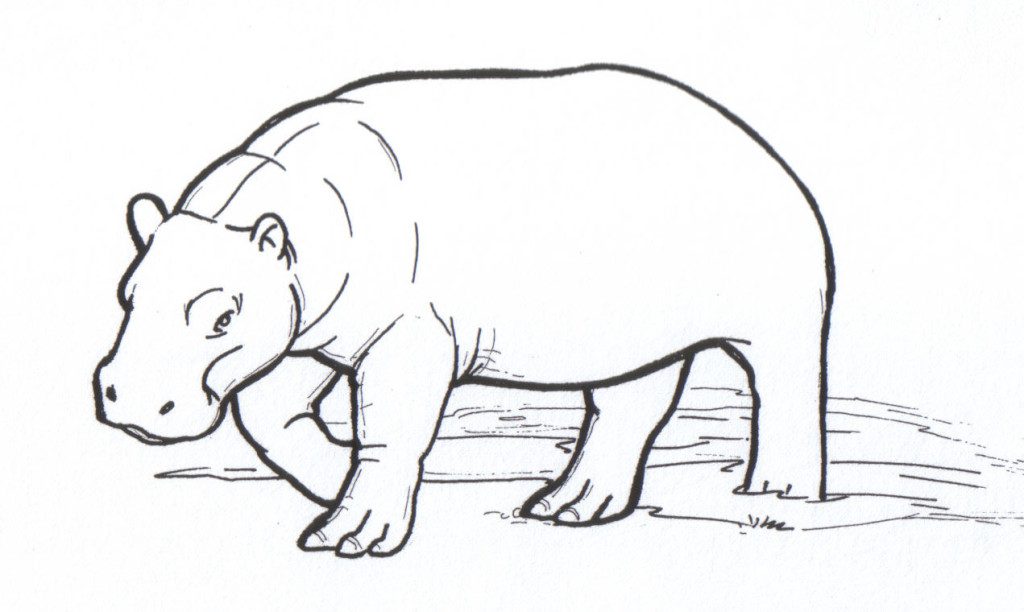
b.Secondary totem for the Elephant Clan
(b) The Science Behind
A novel practice to conserve local biodiversity (animals and plants) for present and future generations.
(c) Challenge for present Africa
Local communities, if well mobilized, can play an important role in the restoration and conservation of biodiversity in your country.
(d) What you need to think about
i. Does your parents’ ethnic group(s) have any practice(s) that conserve nature?
ii. If yes, which ones?
iii. Which of those practices could be promoted in present times?
iv. Do you know that you can make a living, after finishing school, by promoting conservation practice(s) you identified in (iii) above?
5. Promoting Conservation of the Environment
You can stimulate the search for new and better ways of conserving the environment in your country by interesting students in your school into demonstrating and explaining community practices that conserved nature, such as the ones described above. This is possible, especially if your school has clubs and you are a member to any of the following:
- Science Club
- Environment Club
- Wildlife Club
- Writers’ Club
- Computer Club
- Debating Club
The Science-Minded Generation
This interesting story builds both the faith in your Creator and the inner conviction to move your society out of misery and poverty through the power of science.
Some of the careers through which you can participate in the protection or conservation of the environment include:
| Career |
Description |
| Aquatic scientist | -Studies the physical, chemical, biological and ecological aspects of inland and marine water environments. |
| Biologist | -Studies the origin, relationships, development, anatomy, functions, heredity and other basic characteristics of plant, animal and microbial life. |
| Botanist | -Studies a whole range of plant organisms; algae, fungi, mosses, ferns, gymnosperms and flowering plants. |
| Chemical engineer | -Designs and operates processes for large scale production of chemicals, plastics, minerals and other useful commodities. |
| Ecologist | -Studies the interactions between living organisms and their environment, and between the organisms themselves. |
| Entomologist | -Studies insects, especially those of vital importance to man, such as vectors and pests. |
| Environmental health officer | -Responsible for the management of environmental affairs that have an influence on the human well-being. |
| Environmental scientist | -Finds and fixes pollution and other environmental problems. |
| Farmer | -Grows crops and raises animals for food production. |
| Forester | -Manages forested lands for economic, recreational, and conservation purposes. |
| Geneticist | -Studies the way hereditary qualities are transmitted in living organisms. |
| Geographer | -Studies the total relationship between people and their environment. |
| Herpetologist | -Studies reptiles and amphibians, for example lizards, tortoises, snakes, crocodiles, frogs, toads and salamanders. |
| Ichthyologist | -Studies the fundamental aspects of fish biology. |
| Land surveyor | -Measures and draws what the earth’s surface looks like; may put the outcomes in deeds, leases, and other legal documents. |
| Landscape architect | -Makes outdoor places such as parks, playgrounds, schools, shopping centers, backyards, more beautiful and useful. |
| Mathematician | -Creates, investigates and analyzes mathematical structures in order to solve and understand mathematical problems. |
| Meteorologist | -Studies the earth’s atmosphere and its changes. |
| Molecular biologist/biotechnologist | -Develops methods to control biological processes for use in industry, agriculture, forestry, horticulture and breeding. |
| Nature conservation officer | -Seeks to conserve natural resources through sustainable use. |
| Oceanographer | -Studies the sea and all its different facets such as the sea floor, marine life, ocean currents, the physical and chemical composition of the water and also the air above the ocean. |
| Ornithologist | -Studies the behavior, ecology, physiology, classification and conservation of birds. |
| Soil scientist | -Studies what is in soils, and how soils help plants grow. They see how things like fertilizer can improve soils. |
| Urban planner | -Figures out the best way to use the land in cities and neighborhoods. |
| Veterinarian | -Takes care of sick and injured animals. |
| Zoologist | -Involved in the study of animals. |